Azerbaijan
Defiant Flames: 36 Years On, Black January Ignites Azerbaijan’s Eternal Spirit of Freedom

36 Years On, Black January Ignites Azerbaijan’s Eternal Spirit of Freedom
anuary 20, 2026 – Baku, Azerbaijan Thirty-six years ago, on the fateful night of January 19-20, 1990, the streets of Baku echoed with the thunder of Soviet tanks. Under the cover of darkness, over 26,000 troops, armed to the teeth and ordered by Mikhail Gorbachev himself, stormed our capital. They came not as protectors, but as oppressors – wielding bullets, bayonets, and brutality to silence a nation awakening to its right to freedom. This was Black January (Qara Yanvar), a massacre etched in blood, but one that failed spectacularly to crush the Azerbaijani soul. Instead, it forged our path to independence, turning sorrow into unyielding pride.
The Spark of Defiance: Roots in Oppression
In the late 1980s, as the Soviet empire began to crack, Azerbaijanis rose against decades of subjugation. The flashpoint was Nagorno-Karabakh – our ancestral lands, where Armenian separatists, backed by Moscow, sought to tear away territory through ethnic cleansing and aggression. Hundreds of thousands of Azerbaijanis were expelled from their homes, fueling massive protests in Baku’s Freedom Square (Azadlıq Meydanı). We demanded justice, sovereignty, and an end to Soviet puppet rule.
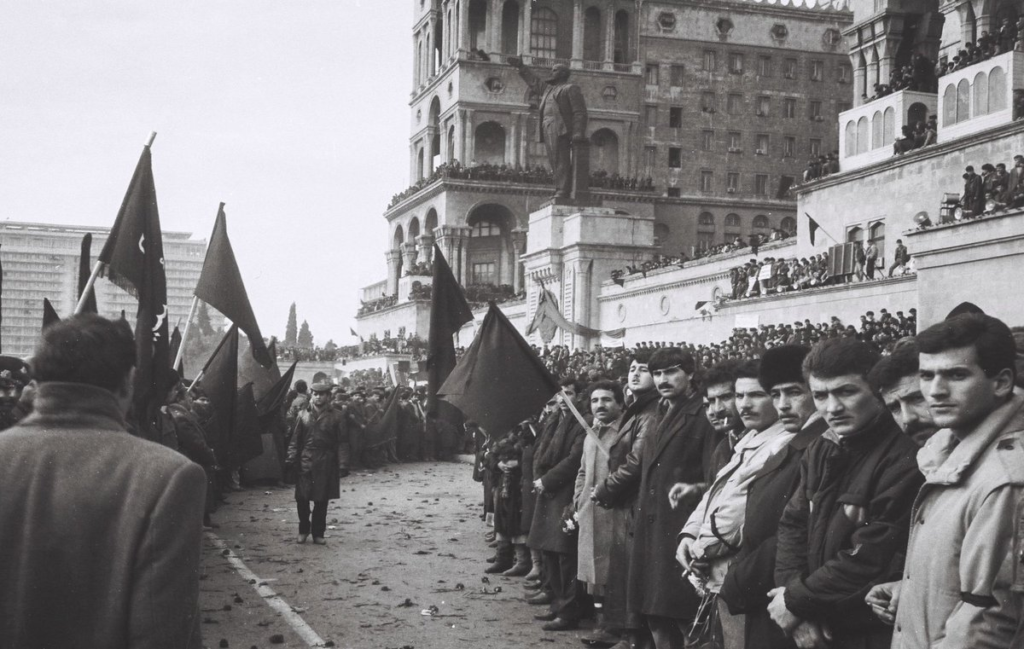

The Kremlin, fearing the domino effect of our nationalist fervor led by the Popular Front of Azerbaijan, used ethnic tensions as a pretext. But make no mistake: this was no peacekeeping mission. Soviet Defense Minister Dmitry Yazov later admitted the true intent – “to destroy the political structure of the Popular Front” and prevent their victory in upcoming elections. They saw our calls for independence as a threat to the crumbling USSR, and they responded with terror.
The Night of Horror: Tanks vs. Bare Hands
As midnight struck on January 19, Soviet forces declared a state of emergency – but only after the invasion had begun. Tanks rolled through residential neighborhoods, crushing barricades and lives indiscriminately. Soldiers fired into crowds without warning, targeting ambulances, hospitals, and even fleeing civilians. Women, children, the elderly – no one was spared. A young couple, Ilham and Ferize Allahverdiyev, became symbols of the tragedy: Ilham killed in the streets, Ferize taking her own life in grief shortly after. Their story, now commemorated as a tale of eternal love, underscores the human cost.
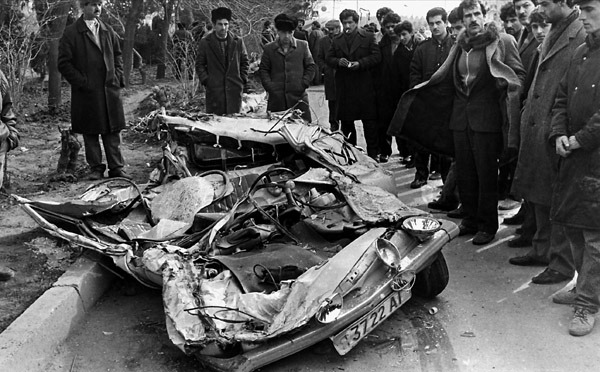

Official figures from Azerbaijan record 147 civilians slaughtered, over 800 wounded, and five missing. Human Rights Watch called it “collective punishment” – a deliberate act to intimidate an entire people. Yet, amid the chaos, Azerbaijanis resisted with whatever they had: bare hands, makeshift barricades, and unbreakable will. Protesters blocked roads, chanted for freedom, and refused to bow. The Soviets cut power, jammed communications, and even bombed the city’s TV station to hide their atrocities from the world. But the truth seeped out, carried on the winds of our resilience.
From Massacre to Momentum: The Road to Independence
Black January was meant to break us, but it backfired. In the days that followed, nearly a million Azerbaijanis flooded the streets for funerals, discarding Communist Party cards in disgust and observing a 40-day national strike. Thousands were arrested, but the fire of independence burned brighter. As one survivor recalled, “The blood of our martyrs watered the tree of liberty.”By October 1991, Azerbaijan declared sovereignty, becoming one of the first republics to escape the Soviet grip. The USSR dissolved months later, proving that empires fall when faced with a united people’s resolve. Today, Martyrs’ Lane (Şəhidlər Xiyabanı) stands as a sacred hilltop memorial, where we lay carnations each year, honoring not just the fallen, but the spirit that rose from their ashes.
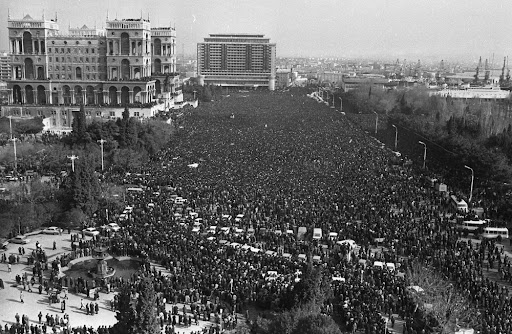

A Legacy of Pride: Lessons for Today
Thirty-six years later, Black January remains a day of mourning – but also of profound pride. It reminds us that freedom is never given; it is fought for, often at great cost. From the Azerbaijani perspective, this was Moscow’s desperate attempt to silence our voice, suppress our identity, and derail our independence. They failed because the Azerbaijani people are forged in resilience, bound by history, and driven by an unquenchable thirst for self-determination. In a world still plagued by aggression and injustice, Black January teaches us to stand firm. We honor our 147 martyrs not with tears alone, but with the thriving, sovereign Azerbaijan they helped birth.
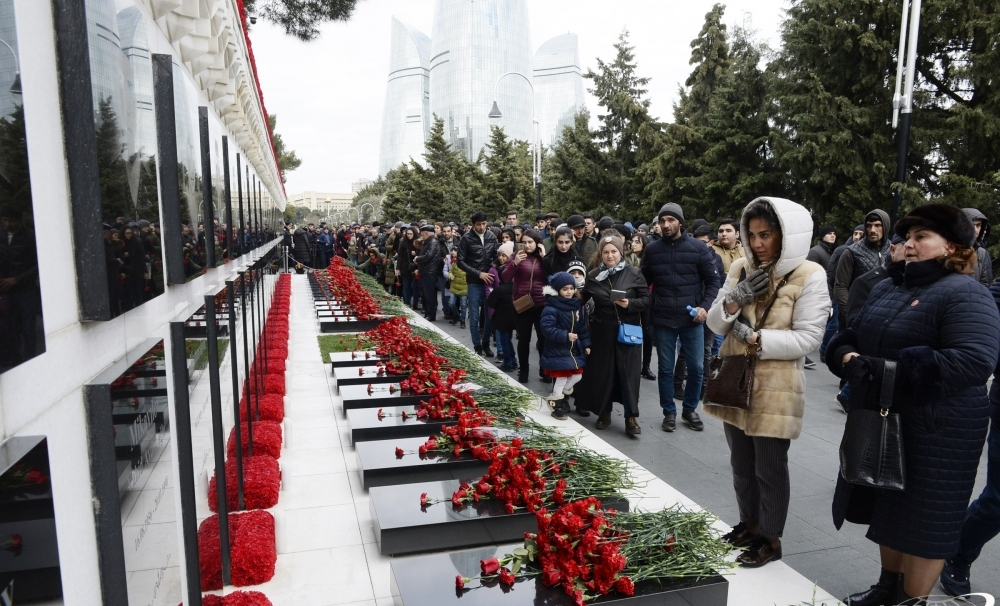

Şəhidlər ölməz, vətən bölünməz! (Martyrs never die, the homeland is indivisible!)
Share this story of unbreakable spirit. Remember, reflect, and rise.
By The Azeri Times