

























Preliminary assessments suggest the twin earthquakes may inflict billions of dollars in economic losses, affecting infrastructure, energy production, housing, healthcare, transportation and public finances, News.az reports.
***
While the full extent of the destruction is still being evaluated, economists and disaster experts warn that rebuilding could take years and place enormous pressure on an economy that was already struggling before the disaster.
How much damage are the earthquakes expected to cause?
Initial estimates suggest the earthquakes could cause economic losses equivalent to between 1% and 7% of Venezuela’s gross domestic product (GDP).
With Venezuela’s economy estimated at around $111 billion, the financial damage could range from approximately $1.1 billion to nearly $8 billion, depending on the final assessment of destroyed infrastructure, business disruption and reconstruction costs.
These figures include both direct physical damage—such as collapsed buildings and damaged roads—and indirect economic losses resulting from interrupted business activity, reduced industrial production and lower tax revenues.
Because rescue operations are still underway, the estimates are expected to change as engineers gain access to affected areas.
Why could the economic impact be so severe?
Natural disasters affect much more than buildings.
Large earthquakes interrupt economic activity across multiple sectors simultaneously. Businesses close, factories stop operating, transportation networks are disrupted and government resources are redirected toward emergency response instead of long-term development.
In Venezuela, the impact could be even greater because many public services and critical infrastructure were already under significant strain before the earthquakes occurred.
Power outages, shortages of medical supplies and aging infrastructure increase reconstruction costs and slow the country’s ability to recover.
Which sectors are expected to suffer the biggest losses?
Several key sectors are expected to experience significant damage.
Housing has been heavily affected, with hundreds of residential buildings either destroyed or left structurally unsafe. Transportation infrastructure, including roads, bridges and public transit systems, has also sustained considerable damage.
Hospitals, schools and government buildings require extensive repairs in many affected regions.
The industrial sector may face prolonged production interruptions due to damaged facilities, electricity shortages and logistical disruptions.
Tourism, retail businesses and small enterprises are also likely to experience substantial revenue losses as affected communities focus on recovery rather than economic activity.
Could Venezuela’s oil industry be affected?
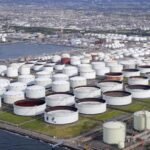
The oil sector remains one of Venezuela’s most important economic pillars.
Although no major nationwide damage to oil production facilities has yet been confirmed, any disruption affecting refineries, pipelines, export terminals or transportation infrastructure could have significant economic consequences.
Even temporary interruptions to oil exports would reduce government revenue at a time when emergency spending is rapidly increasing.
If energy infrastructure requires major repairs, reconstruction costs could rise substantially while export earnings decline.
How will reconstruction affect Venezuela’s economy?
Rebuilding after earthquakes typically requires enormous financial resources.
Governments must repair roads, bridges, schools, hospitals, electricity networks, water systems and public housing while also supporting displaced families and businesses.
For Venezuela, reconstruction may require billions of dollars in public investment over several years.
Large reconstruction programs can eventually stimulate economic activity by creating jobs and increasing demand for construction materials. However, financing these projects presents a major challenge, particularly for countries facing fiscal constraints.
Can Venezuela finance the recovery on its own?
Financing a recovery of this scale will likely prove difficult.
The Venezuelan government already faces budgetary pressures, while emergency spending on healthcare, humanitarian assistance and infrastructure repairs has increased significantly following the disaster.
International financial assistance, humanitarian aid and technical support are therefore expected to play an important role in reconstruction.
Without substantial external assistance, rebuilding damaged infrastructure could take considerably longer.
How much will rebuilding homes and infrastructure cost?
Housing reconstruction is expected to account for one of the largest portions of total recovery spending.
Thousands of families have lost homes or cannot safely return to damaged buildings. Reconstructing residential neighborhoods requires not only rebuilding houses but also restoring electricity, water supplies, sewage systems, schools and healthcare facilities.
Major infrastructure projects—including bridges, highways and public buildings—often require years to complete following large earthquakes.
The final reconstruction bill will depend on the number of buildings ultimately declared unsafe.
How could the earthquakes affect inflation?
Large natural disasters often contribute to higher inflation.
Damage to transportation networks can disrupt food distribution, while shortages of construction materials increase rebuilding costs. At the same time, increased government spending and reduced production may place additional pressure on prices.
If imports of food, medicine and construction materials increase significantly, exchange-rate pressures could further complicate inflation management.
The actual inflation impact will depend on government policy, supply chain recovery and the pace of reconstruction.
Will employment be affected?
Yes.
Many businesses located in affected areas have suspended operations because of damaged buildings, power outages or reduced customer activity.
Workers employed in retail, hospitality, manufacturing and local services may experience temporary or prolonged job losses.
At the same time, reconstruction projects are expected to create new employment opportunities in construction, engineering, logistics and public infrastructure once rebuilding begins.
The balance between job losses and new employment will largely depend on the speed of recovery efforts.
Could the earthquakes reduce Venezuela’s GDP growth?
Most economists expect the disaster to slow economic growth in the short term.
Business interruptions, lower industrial output and weaker consumer spending are likely to reduce overall economic activity during the coming months.
However, reconstruction spending could partially offset these losses over the medium term by increasing investment in infrastructure and construction.
The overall impact on GDP will depend on the duration of disruptions and the availability of financing for rebuilding projects.
Why is international aid economically important?
International assistance provides more than humanitarian relief.
Financial aid, engineering expertise, medical support and emergency equipment reduce the burden on national budgets and allow governments to focus domestic resources on long-term recovery.
Foreign assistance can also accelerate infrastructure repairs, reduce business disruptions and help restore economic activity more quickly.
For countries facing limited fiscal resources, international cooperation often becomes one of the most important factors determining how rapidly reconstruction can proceed.
How long could Venezuela’s recovery take?
Recovery from major earthquakes is typically measured in years rather than months.
Emergency rescue operations usually last several weeks, while restoring essential services can require several months. Rebuilding damaged housing, transportation infrastructure and public facilities often continues for five to ten years after a disaster.
The pace of Venezuela’s recovery will depend on the availability of reconstruction funding, the effectiveness of government planning, international assistance and the resilience of key sectors such as energy, transportation and healthcare.
Although rebuilding will likely be a lengthy process, coordinated domestic and international efforts could significantly reduce both the humanitarian and economic consequences of one of the country’s most destructive earthquakes in modern history.