









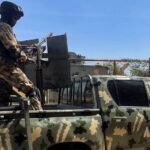



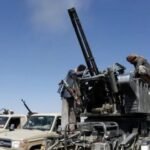





Armoured Taliban vehicles rolled past the former U.S. embassy in Kabul as fighters gathered for ceremonies marking what the government calls “victory day” over Western domination, Reuters reported.
Interior Minister Sirajuddin Haqqani said in a video address that the Taliban’s return to power had been achieved through “morale, courage” and “divine assistance”, while acknowledging that “issues and problems” remained.
***
The anniversary comes as Afghanistan continues to grapple with severe humanitarian needs, natural disasters, economic hardship and restrictions on women and girls.
The International Rescue Committee said Afghanistan’s humanitarian needs had reached a record level, citing drought, deadly earthquakes and the deportation of Afghans from neighbouring Iran and Pakistan.
The organisation said the number of Afghans requiring humanitarian assistance has increased by 3.5 million since the Taliban returned to power in 2021, even as international aid budgets have declined.
The Taliban’s treatment of women and girls remains one of the biggest sources of international criticism. UNESCO says around 2.5 million girls and women have been barred from secondary schools and universities, while restrictions have also sharply limited women’s freedom of movement.
U.N. Women said this week that half of Afghan women now leave their homes only once or twice a month.
The Taliban say they respect women’s rights under Islamic sharia law, but human rights organisations say their policies since 2021 have significantly rolled back women’s rights and opportunities.
Afghanistan’s government remains internationally isolated. Russia is currently the only country to have formally recognised the Taliban government, although the group has gradually expanded diplomatic contacts with a number of other countries.
Relations with Pakistan, once one of the Taliban’s most important regional partnerships, have also deteriorated. Islamabad has accused Kabul of supporting Pakistani insurgents, allegations the Taliban reject.
Despite the isolation, the Taliban have sought to build diplomatic and economic relationships with countries looking to engage with Afghanistan. Officials have also been pursuing arrangements with European governments seeking to deport Afghan nationals.
Taliban foreign ministry spokesman Zia Ahmad Takal said anniversary ceremonies were expected to take place in Pakistan, China, Uzbekistan, Iran, Turkey and Malaysia.
The group has also sought to capitalise on Afghanistan’s geographic position between South and Central Asia and the Middle East to develop economic partnerships.
For many Afghans, however, the fifth anniversary is overshadowed by concerns about survival and the future.
Fatima, a 28-year-old mother, fled to Iran after the Taliban takeover because she could continue working there as a makeup artist. She was deported back to Afghanistan last year and now struggles to meet her family’s basic needs.
“Every morning, I wake up wondering how I will cover my basic living expenses, and every night I close my eyes with worries about my child’s future,” she said.
The Taliban are also facing security challenges. Several senior regional officials in northeastern Afghanistan have reportedly been killed in recent attacks. In late July, the Taliban’s information director in Badakhshan province was killed in an attack later claimed by Islamic State, while the mayor of the provincial capital was reportedly killed on Thursday.
The Taliban did not immediately confirm those reports.
Five years after the U.S. and its allies withdrew and the Taliban returned to Kabul, the group remains firmly in control of Afghanistan. But its anniversary celebrations highlight a sharp contrast between the government’s claims of stability and growing international warnings over humanitarian needs, women’s rights and the country’s uncertain future.