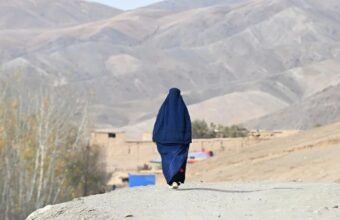


























Hospital workers in the northern province have been instructed to address women as ‘Bibi,’ which roughly translates to ‘grandma,’ the Afghan online publication Zan Times and The Guardian reported. ‘Bibi’ is an honorific used for women of all ages in Afghanistan, The New Arab reported.
***
The Spain-based El Pais outlet said various testimonies from women and activists revealed that the Taliban in some cases have been using degrading terms such as “goat” or “cow” to refer to women.
The Taliban’s crackdown on women’s rights has hampered women’s access to healthcare, reports say. A UN report said that women face a harsh reality on the ground with limited healthcare, with one woman from the Kunar province stating she suffered several miscarriages with no access to medical help.
In many provinces, male doctors have received Taliban orders barring them from treating female patients. Healthcare is one of the few fields in which Afghan women are permitted to work, but in December 2024, the Taliban banned women from training in medical fields.
UNICEF has warned that this has created a “dual crisis,” as trained women healthcare workers retire or leave the country, but no younger women are being trained to replace them.
As man are banned from treating female patients in most of the country, this could eventually lead to a situation where women face a de facto ban from receiving medical treatment.
Prior to Balkh’s ban on using women’s names on documents, women across Afghanistan already faced difficulties obtaining official documents.
A male chaperone must accompany women to obtain civil documents, but some chaperones have been reluctant to do so due to potential lost earnings during lengthy procedures, long traveling distances, or a belief that since most women are not allowed to work, they do not need documents, a 2024 UN report found.Women-led households similarly face difficulties obtaining documents, as the women leading these households do not have a male chaperone to accompany them while they apply for documents for themselves or their children.
Civil documents are usually required to receive essential services like healthcare, education, humanitarian assistance, and bank accounts.