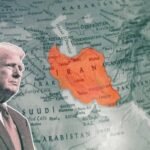



























Iran developed a secret military strategy dubbed “Madman” following last year’s U.S. strike on its nuclear facilities, according to a report by The New York Times citing informed sources.
The plan was designed to ensure that any future war with Iran would become extremely costly not only for Israel and the United States, but also for Arab countries across the region, News.Az reports.
According to the report, Tehran aimed to damage the economies, tourism sectors, global energy flows, transportation networks, and international shipping routes of countries allied with Washington.
Iranian officials said the operation was approved by Iran’s Supreme Leader Ali Khamenei, who was killed on February 28. The plan was intended to be activated in the event of another attack on Iran, and especially in the scenario of the ayatollah’s death.
To maintain control during wartime, Khamenei reportedly appointed four potential successors for each key military and civilian leadership position, ensuring continuity of command if senior officials were eliminated.
The strategy reportedly consisted of three escalating phases.
The first phase involved direct strikes against Israel.
The second phase focused on attacks targeting U.S. military bases located in Arab countries.
The third phase envisioned a broader escalation that would include attacks on civilian targets in Arab states, such as airports, hotels, and diplomatic missions where American citizens might be present.
According to The New York Times, Iran executed all three phases of the plan within days after the start of the war.
***
“This is not an impulsive reaction,” Iranian military historian Sina Azodi told the newspaper. “Iran’s military plan had been carefully developed in advance to inflict the maximum possible damage on America’s allies in the region—and through them, on the United States itself.”
Earlier, Financial Times, also citing Iranian officials, reported that Khamenei had prepared a contingency strategy in the event of his death.
That plan reportedly involved spreading chaos across the Middle East and triggering turbulence in global markets. Iranian sources told the publication that Tehran had already begun implementing elements of this strategy.