























The average price has climbed 65 cents since the start of fighting in Iran two weeks ago and are up 69 cents, or 23.5% in the last month, News.Az reports, citing foreign media.
***
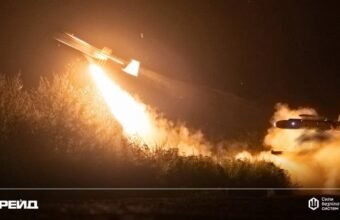
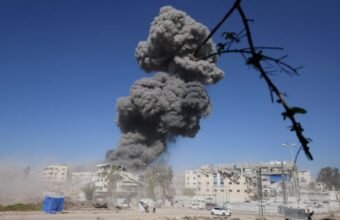
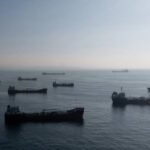
This increase in gas prices is a reaction to the war in Iran and the near-total closure of the Strait of Hormuz, a crucial channel just off Iran’s southern coast through which 20% of the world’s oil normally passes, as well as retaliatory attacks by Iran on the oil facilities of its oil-rich neighbors such as the United Arab Emirates, Qatar, Kuwait and Saudi Arabia, the world’s largest oil exporter.
Efforts to calm the markets have fallen flat. Dozens of countries announced earlier this week the largest release of oil from various oil reserves. The fact that oil continues to move higher indicates how little oil is available from such releases compared to what has been lost during the fighting.
Brent crude oil futures, the global benchmark, closed above $100 Thursday for the first time since 2022, when markets were roiled by Russia’s invasion of Ukraine and the sanctions imposed on Russian oil at that time. Even with the United States lifting some of those sanctions, Friday prices for Brent were slightly higher in early trading.
After oil and wholesale gas prices saw a one-day drop early in the week following President Donald Trump’s comment that he expects the war to end “very soon,” attacks on ships near the strait have once again sent futures sharply higher, suggesting more price increases will be coming to gas pumps nationwide. But even once oil futures start a sustained decline, it could take some time for retail gas prices to get back to pre-war levels.