






















This narrow passage, located between Iran and Oman, has become the focal point of global concern due to its critical role in energy transportation. As of May 2, 2026, heightened military activity and security warnings in the region have triggered fears of potential disruption to oil shipments.
***
Reports indicate that naval forces from multiple countries are operating in or near the waterway, while shipping companies are reassessing routes and insurance costs. The situation remains fluid, with markets reacting sharply to each new development. The risk is not only actual disruption but also the perception of risk, which alone can drive prices upward.
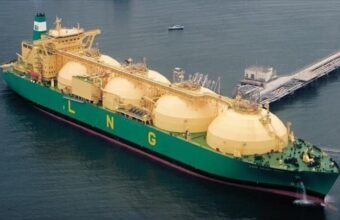
Why is the Strait of Hormuz so important to global energy supply?The Strait of Hormuz is one of the most vital chokepoints in the global energy system. Roughly a fifth of the world’s oil supply passes through this corridor every day. Major oil producing countries in the Gulf rely on this route to export crude oil and liquefied natural gas to international markets.
Because there are limited alternative routes, any disruption in the strait can quickly impact global supply. Even minor incidents can lead to significant price movements, as traders anticipate shortages or delays. This makes the strait not just a regional concern but a global economic pressure point.
What triggered the current tensions in the Strait of Hormuz?The latest tensions are closely linked to the broader geopolitical conflict involving Iran and Western allies. Increased military presence, including naval patrols and surveillance operations, has raised the risk of accidental or deliberate confrontation.
In recent weeks, incidents such as warnings to commercial vessels, reports of electronic interference with navigation systems, and heightened alert levels have contributed to a sense of instability. These developments have been enough to unsettle markets, even without a full scale disruption.
How are global oil prices reacting?Oil prices have surged sharply, reflecting both actual risks and market expectations. Traders are pricing in the possibility of reduced supply, higher transportation costs, and increased insurance premiums for tankers passing through the region.
The price increase is not limited to crude oil. Refined products such as gasoline and diesel are also becoming more expensive. This creates a chain reaction that affects transportation, manufacturing, and consumer prices worldwide.
What does this mean for everyday consumers?For ordinary people, the oil crisis translates into higher fuel costs, increased prices for goods, and broader inflationary pressure. Transportation becomes more expensive, which raises the cost of delivering goods. Airlines may increase ticket prices, and public transport systems may face higher operating costs.
The impact is felt globally, regardless of whether a country imports oil directly from the Middle East. Because oil is a globally traded commodity, price changes affect all markets.
How are shipping and trade being affected?Shipping companies are taking precautionary measures, including rerouting vessels, increasing security protocols, and adjusting schedules. Insurance premiums for ships traveling through the Strait of Hormuz have risen significantly, adding to overall costs.
Some companies are considering alternative routes, but these options are often longer and more expensive. This leads to delays in global supply chains and increases the cost of international trade.
What role do major oil producing countries play?Countries in the Gulf region, including Saudi Arabia, United Arab Emirates, and Kuwait, are key exporters whose economies depend heavily on oil shipments through the strait. These countries are closely monitoring the situation and coordinating with international partners to ensure the امنیت of shipping lanes.
Some producers have explored alternative export routes, such as pipelines that bypass the strait, but these options have limited capacity and cannot fully replace maritime transport.
How are global powers responding to the crisis?Major global powers, including the United States, China, and Russia, are closely involved in monitoring and responding to the situation. The United States has increased its naval presence to ensure freedom of navigation, while China has emphasized the importance of stability due to its reliance on imported energy.
Russia has called for diplomatic solutions and has highlighted the risks of escalation. The involvement of these powers adds complexity to the situation, as their interests do not always align.
Is there a risk of a full blockade of the Strait of Hormuz?The possibility of a full blockade is one of the most serious concerns. While such a scenario is considered extreme, even the threat of a blockade can have significant effects on markets and السياسة الدولية.
A blockade would drastically reduce global oil supply, leading to sharp price increases and potential economic بحران. It could also trigger military responses from countries that depend on the strait for energy imports.
How are financial markets reacting?Financial markets have shown increased volatility, with energy stocks rising and other sectors experiencing uncertainty. Investors are shifting toward safer assets, reflecting concerns about global economic stability.
Currencies of oil exporting countries may strengthen due to higher revenues, while importing countries may face increased economic pressure. Central banks are monitoring the situation closely, as rising energy prices can contribute to inflation.
What are the broader economic consequences?Beyond immediate price increases, the oil crisis can slow economic growth by increasing costs for businesses and consumers. Industries that rely heavily on energy, such as transportation and manufacturing, are particularly vulnerable.
Higher inflation can lead to tighter monetary policies, which may further impact economic activity. Developing countries, in particular, may struggle to absorb the increased costs.
How are governments responding to rising energy costs?Governments around the world are اتخاذ measures to mitigate the impact of rising energy prices. These include releasing strategic oil reserves, providing subsidies, and encouraging energy conservation.
Some countries are also accelerating investments in renewable energy as a long term solution. The current crisis has highlighted the importance of diversifying energy sources and reducing dependence on a single region.
What is the role of renewable energy in this crisis?The oil crisis is reinforcing the shift toward renewable energy. High fossil fuel prices make alternatives such as solar and wind more attractive. Governments and companies are increasing investments in clean energy technologies.
While renewable energy cannot immediately replace oil, the current situation may accelerate the transition over the coming years. This could have lasting implications for global energy markets.
How does this crisis compare to past oil shocks?The current situation has similarities with previous oil crises, such as those in the 1970s and early 2000s. In each case, geopolitical tensions in the Middle East played a central role in disrupting supply and driving prices higher.
However, today’s global economy is more interconnected, and the speed of market reactions is faster. Digital trading and real time information mean that price changes can occur almost instantly.
What are the possible scenarios moving forward?Several scenarios are possible. One is a stabilization of the situation, with tensions easing and shipping continuing without major disruption. Another is continued instability, with periodic incidents keeping prices elevated.
The most severe scenario involves a significant disruption or blockade, leading to a major global economic shock. The likelihood of each scenario depends on political decisions and military developments in the region.
How does this affect global energy security?The crisis highlights vulnerabilities in global energy systems. Dependence on a single chokepoint creates risks that can have worldwide consequences. Countries are re evaluating their energy strategies to enhance resilience.
This includes diversifying supply sources, investing in infrastructure, and strengthening international cooperation. Energy security has become a central issue in global policy discussions.
Why is this story among the most read globally?The oil crisis and tensions in the Strait of Hormuz are among the most read news topics because they affect everyone. From fuel prices to economic stability, the impact is immediate and widespread.
The combination of geopolitical tension, economic consequences, and uncertainty makes this a story that people around the world are closely following.
What should readers watch next?Key developments to monitor include any changes in military activity in the region, statements from major governments, and updates on shipping conditions in the strait. Oil price movements and market reactions will also provide important signals.
Diplomatic efforts aimed at reducing tensions will be closely watched, as they could determine whether the situation stabilizes or escalates further.
ConclusionThe oil crisis and tensions in the Strait of Hormuz represent a critical moment for the global economy and energy system. As one of the most read stories on May 2, 2026, it underscores the interconnected nature of geopolitics and everyday life.
The coming days and weeks will be crucial in shaping the outcome. Whether the situation moves toward stability or deeper crisis will depend on the actions of key players and the effectiveness of diplomatic efforts.