





















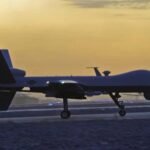





In a new report, analysts said the integration of AI into unmanned aerial vehicles — described as “Physical AI” — is redefining the defence sector, shifting the focus from hardware production to software, data and computing power, News.Az reports, citing Reuters.
***
From manufacturing to computing power
The market has already seen strong growth, doubling from around $20bn in 2020 to more than $40bn in 2025. However, the next phase of expansion is expected to be driven less by the cost of individual drones and more by the infrastructure required to operate them at scale.
While a single one-way drone unit can cost under $50,000, deploying autonomous swarms requires significant investment in data centres, AI systems and real-time processing capabilities.
Analysts say this marks a structural shift in the industry, with value increasingly concentrated in companies that can integrate robotics with advanced computing.
AI investment becomes key bottleneck
As drones become a core growth driver within the technology sector — second only to autonomous vehicles — traditional constraints such as defence budgets are becoming less central.
Instead, future expansion will depend on access to AI capital expenditure, energy supply and critical minerals used in advanced components.
The growing reliance on computing infrastructure means defence contractors are increasingly operating like technology firms, with software and data capabilities becoming central to competitiveness.
Strategic implications for security
The rise of AI-powered drone swarms is also reshaping the geopolitical landscape. Low-cost, scalable systems offer tactical advantages that traditional military platforms often struggle to match.
This has intensified global competition, as countries seek to develop and deploy autonomous capabilities more rapidly.
At the same time, investors are closely monitoring potential bottlenecks, particularly in energy supply and critical materials, which could influence the pace of innovation.
Long-term transformation underway
Barclays said the “Physical AI” shift could ultimately reduce operational costs by limiting the need for human involvement in high-risk environments.
However, the upfront investment required for autonomous systems remains substantial, reflecting a broader transformation in how defence technologies are developed and deployed.
As the industry evolves, the intersection of artificial intelligence, energy and advanced manufacturing is expected to define the next decade of growth in the global drone market.