
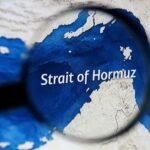


















In a recent note, the bank said the strait plays a critical role in the global nitrogen fertilizer trade, which accounts for around 60% of total fertilizer use worldwide and is essential for key crops such as corn and grains , News.Az reports, citing Reuters.
***
Fertilizer supply chains under pressure
More than a quarter of global nitrogen fertilizer trade and roughly 20% of liquefied natural gas flows pass through Hormuz. LNG is a key input in fertilizer production, making the القطاع highly vulnerable to geopolitical disruption.
Since the escalation of tensions in the Middle East, nitrogen fertilizer prices have risen by approximately 40%, reflecting tighter supply and higher input costs.
Analysts say these pressures are already being felt across global markets, particularly in regions that rely heavily on imported energy and fertilizer supplies.
Crop output at risk
Goldman Sachs warned that the biggest threat to agricultural markets may not be higher costs alone, but reduced crop yields.
Fertilizer shortages can lead to delayed or less effective application, directly impacting productivity. In response, some farmers may switch to crops that require less fertilizer, potentially tightening global grain supply further.
Such shifts could amplify price volatility in food markets, especially if disruptions persist during key planting seasons.
Regional impact uneven
The effects are expected to vary across regions. The United States may be relatively insulated in the short term, as many farmers have already secured fertilizer supplies ahead of the planting season.
However, regions such as Europe, Australia and parts of the Southern Hemisphere could face greater disruption, increasing reliance on imports and potentially driving up demand for US agricultural exports.
Broader inflation risks
Beyond agriculture, the bank said the situation underscores the growing role of commodities as a hedge against supply shocks.
Widespread disruptions across energy and fertilizer markets could feed into broader inflation, while also weighing on global economic growth.
As tensions in the region continue, analysts say the stability of key trade routes like the Strait of Hormuz will remain central not only to energy markets, but also to global food security.