























This strategy reflects a broader adjustment in Moscow’s energy policy as Western sanctions continue to reshape global trade flows and limit access to traditional European customers.
***
The development highlights how geopolitical pressure is accelerating the emergence of alternative supply chains and pricing mechanisms in the global LNG market.
What is happening in the LNG market
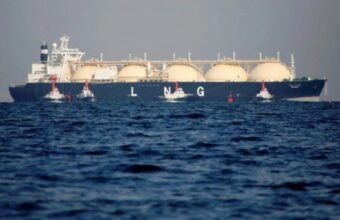
In recent months, Russian suppliers have been offering LNG cargoes linked to sanctioned projects at prices significantly below international benchmarks. Discounts are reported to reach as high as 30 to 40 percent compared to prevailing spot prices.
These cargoes are often associated with projects such as Arctic LNG 2, which have faced difficulty securing long term buyers due to sanctions imposed by the United States and its allies. As a result, Russia is increasingly turning to spot sales and opportunistic deals in Asia.
The discounted offers are designed to offset the legal and reputational risks faced by buyers, making the cargoes commercially attractive despite the complications involved.
Why Russia is offering such steep discounts
The primary driver behind the discount strategy is the loss of access to key Western markets. Before sanctions intensified, Europe was a major destination for Russian energy exports, including pipeline gas and LNG.
With that avenue largely closed, Russia has been forced to pivot toward alternative markets. However, entering these markets is not straightforward, as buyers are cautious about sanctions exposure.
To overcome this barrier, Russia is using pricing as a key lever. By offering LNG at substantially reduced rates, it creates a strong financial incentive for importers, particularly in price sensitive economies.
In addition, maintaining production levels is crucial. LNG projects involve significant fixed costs and long term investment commitments. Allowing production to stall would create technical and financial challenges, so continuing exports even at lower margins is often preferable.
How the sales are structured
The sale of sanctioned LNG involves complex arrangements designed to reduce visibility and mitigate risk. In many cases, intermediary trading companies play a central role.
These intermediaries may be based in jurisdictions that are less exposed to Western sanctions, allowing them to handle transactions that would otherwise be difficult for major international firms.
Another tactic involves blending or relabeling cargoes to obscure their origin. Documentation may indicate alternative sources, or shipments may be routed through multiple ports to complicate tracking.
Payment mechanisms can also vary, sometimes involving non traditional currencies or financial channels that bypass standard banking systems.
These practices illustrate how sanctions are driving innovation in trade logistics, even as they aim to restrict economic activity.
Why Asia has become the primary destination
Asia represents the most viable market for discounted Russian LNG for several structural reasons.
First, demand for natural gas in the region continues to grow, driven by industrial expansion, urbanization, and efforts to transition away from coal. Countries such as India and Bangladesh are particularly sensitive to price fluctuations and often seek cost effective supply options.
Second, many Asian buyers operate with a more flexible procurement strategy, balancing long term contracts with spot purchases. This creates opportunities for discounted cargoes to enter the market.
Third, geopolitical alignment varies across the region. While some countries closely follow Western sanctions regimes, others maintain a more neutral stance, allowing them greater room to engage in transactions with Russian entities.
China, in particular, has emerged as a key destination for Russian energy exports, supported by existing infrastructure and strong bilateral ties.
Why buyers remain cautious despite discounts
Despite the financial appeal, purchasing sanctioned LNG carries significant risks. These include the possibility of secondary sanctions, which could affect companies’ access to global financial systems and insurance markets.
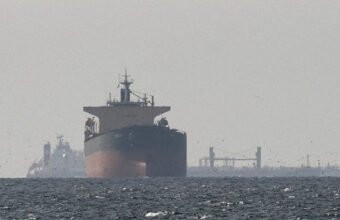
There are also operational challenges. Shipping companies and insurers may be reluctant to participate in transactions involving sanctioned cargoes, limiting logistical options.
Reputational considerations add another layer of complexity. Companies operating in global markets must weigh the potential backlash from stakeholders, investors, and regulators.
As a result, only a subset of buyers is willing to engage, often those with fewer international exposure or those able to structure transactions in a way that minimizes risk.
How global energy dynamics are shaping the strategy
The current global energy environment is playing a crucial role in enabling Russia’s approach. Supply disruptions, geopolitical tensions, and fluctuating demand have contributed to volatility in LNG markets.
In periods of tight supply, discounted cargoes become particularly attractive, as they offer immediate cost savings. This creates openings for Russian exports to re enter markets indirectly.
At the same time, Europe’s ongoing efforts to diversify energy sources have permanently altered demand patterns. Investments in alternative suppliers and renewable energy are reducing reliance on Russian imports, reinforcing Moscow’s need to cultivate new markets.
What this means for global LNG pricing
The introduction of heavily discounted sanctioned LNG is contributing to the formation of a more fragmented global market.
On one side, there is a conventional market where prices are determined by established benchmarks and long term contracts. On the other, there is a parallel market where sanctioned cargoes are traded at lower prices under more opaque conditions.
This dynamic can create downward pressure on prices in certain regions, particularly where buyers have access to both types of supply. However, the overall impact remains limited by the scale of sanctioned exports and the constraints on their distribution.
What challenges Russia still faces
Despite some success in redirecting exports, Russia faces ongoing challenges in sustaining this strategy.
Infrastructure limitations, including liquefaction capacity and shipping availability, restrict the volume of LNG that can be exported.
Sanctions also affect access to technology and equipment, potentially slowing the development of new projects.
In addition, reliance on a narrower set of buyers increases vulnerability to market fluctuations and political changes.
Over time, these factors could limit the effectiveness of discount driven sales as a long term solution.
What happens next in the LNG landscape
The future of Russia’s LNG strategy will depend on several variables, including the evolution of sanctions, global energy demand, and technological developments.
If sanctions remain in place, Russia is likely to continue refining its approach, seeking new intermediaries, markets, and logistical solutions.
At the same time, Asian buyers will continue to balance cost considerations with risk management, shaping the extent to which discounted Russian LNG becomes a stable component of regional supply.
Why this development matters globally
The shift toward discounted sanctioned LNG is more than a short term adjustment. It reflects a deeper transformation in how energy markets operate under geopolitical pressure.
Trade flows are becoming more complex, pricing structures more diverse, and supply chains more adaptive.
For policymakers and industry participants, this underscores the importance of flexibility and resilience in navigating an increasingly fragmented global energy system.
In this evolving landscape, Russia’s strategy illustrates both the limitations of sanctions and the capacity of markets to adapt in unexpected ways.