



















The Automatic Identification System (AIS) is a transponder installed on most commercial vessels that transmits key information such as the ship’s identity, route, speed, and destination, as reported by News.az.
***
These signals are visible on public vessel-tracking platforms such as MarineTraffic. In recent months, however, ship crews have started using AIS fields to broadcast additional messages about their identity or nationality.
Messages now appearing on tracking systems include phrases such as:
“All Chinese Crew”
“Chinese Owner”
“Chinese ship – no contact Israel”
“All Crew Muslim”
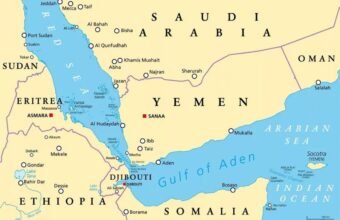
According to maritime security analysts, the practice began spreading after a series of attacks on commercial vessels in the Red Sea and the escalation of tensions in the Persian Gulf.
Experts say these messages are intended to signal political neutrality and potentially discourage armed groups from targeting the ships.
Among the vessels mentioned in monitoring reports is the bulk carrier Iron Maiden, which was sailing through the Persian Gulf toward the Strait of Hormuz. While passing through the high-risk area, the vessel reportedly transmitted messages in AIS suggesting Chinese affiliation.
Another example is the cargo ship Bogazici, which broadcast the AIS message “Muslim Vsl Turkish,” indicating that the vessel had a Muslim crew and Turkish affiliation — another apparent attempt to avoid being targeted.
According to the maritime intelligence platform Windward, dozens of vessels have used unusual AIS messages while sailing through the Red Sea, the Arabian Sea, and the Strait of Hormuz.
Analysts say the choice to signal Chinese affiliation is not accidental. China maintains relatively neutral relations with many countries and actors in the Middle East. As a result, some shipping companies believe that presenting themselves as Chinese-linked vessels could lower the risk of attack.
The tactic highlights the growing risks facing global shipping routes. In addition to altering AIS messages, some vessels have also temporarily switched off transponders, rerouted their voyages, or waited offshore for safer passage.
The Red Sea and the Strait of Hormuz remain two of the world’s most critical maritime chokepoints. A significant portion of global oil shipments and international trade passes through these narrow waterways, meaning that any security disruptions in the region can have serious implications for global supply chains and energy markets.