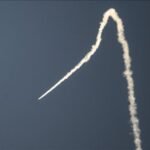

























Authorities confirmed that the building, located in a populated urban area, sustained damage following the strike, which witnesses described as sudden and forceful. Emergency services responded quickly, evacuating residents and providing medical assistance to those affected.
***
While details remain limited, early indications suggest that the building may not have been the primary intended target, prompting questions about the accuracy of the strike and the broader implications for civilian safety. The incident has triggered heightened vigilance among local authorities and renewed debate over regional security dynamics.
Where did the incident take place and what is known about the location?
The incident occurred in Oman, a country traditionally viewed as one of the more stable and diplomatically neutral states in the Middle East. The targeted residential structure was situated in a civilian neighborhood, which has intensified concerns about the potential risks to non-combatants.
Oman’s urban centers are generally characterized by low levels of violence and strong internal security frameworks. This makes the targeting of a residential building particularly unusual and alarming. The affected area has since been cordoned off as investigators assess structural damage and collect evidence.
Residents in nearby buildings reported hearing a loud explosion followed by visible smoke. Some described minor tremors, suggesting the force of the strike was significant enough to impact surrounding structures.
Who were the victims and what is their condition?
According to initial reports, two individuals sustained injuries as a result of the incident. Both were quickly transported to a nearby medical facility for treatment. Their injuries are believed to be non life threatening, although authorities have not released detailed medical updates.
Emergency responders acted swiftly, ensuring that no additional casualties occurred. Residents were evacuated as a precautionary measure, and medical teams conducted on site evaluations to rule out further injuries.
The identities of the injured individuals have not been publicly disclosed, likely due to privacy considerations and the ongoing nature of the investigation.
What caused the strike on the residential building?
The exact cause of the strike remains under investigation. Authorities have not yet confirmed whether the incident was the result of a missile, drone, or other form of aerial attack. However, early speculation points toward a targeted strike that may have gone off course or was based on faulty intelligence.
Security analysts note that the increasing use of precision guided munitions and unmanned aerial systems in regional conflicts has raised the risk of unintended civilian impact. If the strike was indeed misdirected, it could highlight vulnerabilities in targeting systems or intelligence gathering processes.
Officials have urged the public to refrain from speculation until verified information is released, emphasizing the importance of a thorough and transparent investigation.
Is there any indication of who might be responsible?
As of now, no group or entity has officially claimed responsibility for the incident. Omani authorities have not publicly attributed the strike to any specific actor, and investigations are ongoing to determine the source and intent behind the attack.
Given the broader geopolitical context of the Middle East, several possibilities are being considered. These include spillover effects from nearby conflicts, miscalculated operations by external actors, or even technical malfunctions.
Oman has historically maintained a policy of neutrality and has often acted as a mediator in regional disputes. This makes it less likely to be a direct target, though not immune to indirect consequences of regional tensions.
How has the Omani government responded?
The Omani government has responded promptly, deploying emergency services and initiating a formal investigation into the incident. Officials have emphasized their commitment to ensuring public safety and maintaining stability.
Security has been increased in key urban areas, and authorities are working to reassure residents while gathering evidence. Statements from officials have focused on transparency, cautioning against misinformation and highlighting the need for verified updates.
There has also been coordination with regional partners and international bodies to assess whether the incident has broader security implications.
What are the broader implications for regional security?
This incident comes at a time of heightened tension in the Middle East, where conflicts and military activities have increased the risk of cross border incidents. Even countries like Oman, which are not directly involved in active conflicts, can be affected by the spillover of instability.
The targeting of a residential building underscores the risks faced by civilians in modern conflict environments, where precision is not always guaranteed. It also raises concerns about escalation, particularly if the source of the strike is linked to ongoing regional disputes.
Security experts warn that such incidents, even if isolated, can contribute to a cycle of mistrust and retaliation if not carefully managed.
How are residents and the public reacting?
Local residents have expressed shock and concern following the incident. Many described the event as unexpected and unsettling, particularly given Oman’s reputation for safety and stability.
Some residents have called for increased security measures and clearer communication from authorities. Others have emphasized the importance of maintaining calm and avoiding panic, trusting that the government will handle the situation effectively.
Social media has seen a surge in discussion, though officials have urged the public to rely on official sources for accurate information.
What steps are being taken to prevent similar incidents?
Authorities are likely to review existing security protocols and assess potential vulnerabilities in airspace monitoring and response systems. This may include enhanced surveillance, improved coordination with regional defense networks, and stricter controls on aerial activity.
There may also be efforts to strengthen early warning systems and improve public safety procedures in the event of future incidents. Ensuring rapid response and minimizing civilian exposure will be key priorities.
In addition, diplomatic channels may be used to seek clarification and prevent misunderstandings that could lead to further incidents.
Could this incident affect Oman’s foreign policy stance?
Oman’s foreign policy has long been defined by neutrality and mediation. While this incident is unlikely to fundamentally alter that stance, it may prompt a reassessment of certain security arrangements and regional engagements.
The government may seek greater assurances from neighboring countries and international partners to prevent similar घटनाएँ in the future. At the same time, Oman is expected to continue its role as a stabilizing force in the region.
Any shift in policy would likely be measured and strategic, aimed at preserving national security without compromising diplomatic relationships.
What should the public expect next?
In the coming days, more details are expected to emerge as investigations progress. Authorities will likely provide updates on the cause of the strike, the condition of the injured individuals, and any measures being taken in response.
Residents can expect continued security presence in affected areas and possibly temporary restrictions as investigations are conducted. Public communication will remain a key component, with officials aiming to keep citizens informed and reassured.
The incident serves as a reminder of the unpredictable nature of regional security dynamics and the importance of preparedness, even in relatively stable environments.
Why does this incident matter beyond Oman?
Although the event occurred within Oman, its implications extend beyond national borders. It highlights the interconnected nature of regional security and the potential for even neutral countries to be impacted by broader conflicts.
For the international community, it underscores the need for careful management of military operations and the importance of protecting civilian populations. It also reinforces the value of diplomatic engagement in reducing tensions and preventing escalation.
Ultimately, the incident is a signal that stability cannot be taken for granted, and that vigilance remains essential in an increasingly complex geopolitical landscape.