





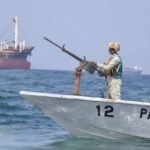


















Iranian Foreign Minister Seyed Abbas Araghchi announced that all commercial vessels would be allowed to pass through the strait, though under a “coordinated route” designated by Iranian maritime authorities, News.Az reports, citing CNBC.
The decision comes as part of a broader ceasefire agreement involving Israel and Lebanon, which includes a temporary pause in hostilities and conditions affecting regional maritime movement.
***
According to officials, the opening applies for the duration of the ceasefire period.
#BREAKING: Iran’s Foreign Minister announces that the Strait of Hormuz has officially re-opened following the U.S. naval blockade in the region. pic.twitter.com/tveIeS8nAp
— News.Az (@news_az) April 17, 2026
Following the announcement, oil prices reportedly fell by more than 11%, reflecting the market’s sensitivity to disruptions or reopening of the strategic waterway.
The Strait of Hormuz is a key global energy chokepoint, handling a significant share of the world’s oil shipments.
US President Donald Trump reportedly welcomed the reopening in a social media post, while earlier tensions had emerged over differing interpretations of ceasefire conditions between Washington and Tehran.
Iranian officials had previously accused the US of not fully complying with agreed terms, contributing to delays in normal shipping flows.
The waterway connects the Persian Gulf to global markets and remains one of the most closely watched maritime corridors in global trade, where even minor disruptions can have major economic impacts.