



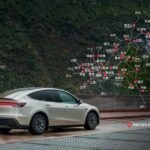






















Security experts caution that Chinese electric vehicles continue to pose a national security risk, even after Canada lifted its tariff blockade, noting that the concerns raised by the previous federal government nearly two years ago remain unchanged.
Yet those experts also warn that the cybersecurity and privacy threats extend beyond Chinese-made vehicles to any car connected to the internet, which requires a robust response from Ottawa, News.Az reports, citing foreign media.
The new trade deal signed by Prime Minister Mark Carney and Chinese President Xi Jinping in Beijing on Jan. 16 allows for up to 49,000 Chinese EVs to enter Canada at a significantly reduced tariff rate of 6.1 per cent in exchange for China lifting tariffs on Canadian agricultural goods.
Ontario Premier Doug Ford has blasted the deal, warning not only about the impact on the province’s auto sector but also the cybersecurity concerns around Chinese EVs, which he has called “spy vehicles.”
“When you get on your cellphone, it’s the Chinese — and I’m not making this stuff up — they’re going to be listening to your telephone conversation,” he told delegates at the Rural Ontario Municipal Association conference in Toronto last week.
Experts say the potential for Chinese governments or businesses to use internet-connected vehicles to listen in on drivers’ phone calls or record their movements remains a very real threat, particularly to the Chinese diaspora in Canada.
There are also broader cybersecurity concerns, said Neil Bisson, director of the Global Intelligence Knowledge Network and a retired intelligence officer with the Canadian Security Intelligence Service.
“It just allows another portal into our infrastructure, both communication-wise and energy-wise, because we’ll be plugging these vehicles into our own electric infrastructure,” he said in an interview.
“The opportunities to potentially do cyberattacks, to shut down critical infrastructure, it’s all there.”
Carney has said the EV deal with China, which includes a provision that half of those imported vehicles must cost less than $35,000 by 2030, will ensure electric vehicles are more affordable for Canadians.
“I think trade has essentially trumped national security,” Bisson said, particularly with Carney’s efforts to diversify Canada’s economy away from the U.S.
“The unfortunate thing is that with the decision to do this, we’re isolating ourselves from some of our Five Eye partners, including the United States, who have also said that Chinese-manufactured electric vehicles pose a threat to national security.”