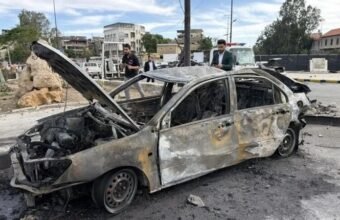























The diplomatic push for cooperation follows the discovery of the case’s prime suspect, 39-year-old Anastasiia Berezovska, who was found shot dead in a wooded area near Kyiv on Tuesday. Interpol had previously issued a Red Notice for Berezovska, accusing her of disguising herself as a man to plant a remote-controlled explosive device outside the home of prominent, sanctioned Ukrainian-born tycoon Vadym Yermolaiev in Monaco. The June 29 blast injured Yermolaiev, his partner, and his teenage son, sending shock waves through the historically secure principality, News.Az reports, citing Reuters.
Berezovska’s murder has triggered a severe political headache for Kyiv. Ukrainian authorities have already detained two men in connection with her killing—one of whom is an active officer within Ukraine’s highly secretive military intelligence agency (HUR), while the other is a former law enforcement officer. During the arrests, investigators traced suspicious cryptocurrency transfers between the men and Berezovska, and uncovered a blood-stained basement resembling a torture chamber at one of the suspects’ properties.
***
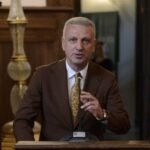
While the detained HUR officer claims he acted entirely on his own initiative without the knowledge of his superiors, the potential implication of Ukrainian intelligence personnel in an assassination plot on European soil has raised intense scrutiny. In his statement on Telegram, Prosecutor General Kravchenko attempted to reassure western allies of Kyiv’s transparency, emphasizing that Ukraine remains open to full, aggressive cooperation under international legal frameworks to uncover who ultimately ordered both the Monaco bombing and the subsequent silencing of their primary suspect.