

























Speaking about the latest wave of attacks, Zelenskyy said Russia continues to target civilian areas using a combination of missiles and drones, News.Az reports, citing Ukrainian President Volodymyr Zelenskyy.
“A ballistic missile was used against the Kharkiv region — warehouses of ordinary civilian production were damaged, and this is an American company,” he said.
The strike adds to mounting concerns over attacks on non-military facilities, as Ukrainian authorities stress that the damaged site was part of civilian production infrastructure. No immediate military activity was reported in the area at the time of the strike.
In parallel attacks, Zelenskyy said Russian Shahed drones struck residential districts in Zaporizhzhia, while FPV drone strikes continue almost constantly in Kherson and across cities in the Dnipropetrovsk region, with the heaviest pressure reported in Nikopol.
The situation remains particularly difficult in the border regions of Chernihiv, Sumy, and Kharkiv, which have faced sustained shelling and drone attacks.
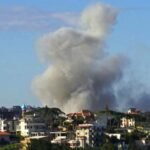
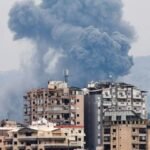
Ukraine’s State Emergency Service of Ukraine said the missile strike caused a large-scale fire at a warehouse in a suburb of Kharkiv, engulfing an area of more than 5,000 square meters.
Rescuers reported severe structural damage to the building. Preliminary information indicates no casualties, though emergency crews remained on site for several hours to contain the blaze and secure the area. More than 80 rescuers and 20 units of specialized equipment were deployed in the response operation.
The latest strike follows a series of recent attacks in the region. On January 27, Russian forces hit a passenger train on the Chop–Kharkiv–Barvinkove route with a drone, resulting in casualties. A day earlier, shelling of critical infrastructure left several settlements, including Chuhuiv, without electricity and injured two people.
As Russia intensifies its use of missiles and drones, Ukrainian officials continue to call attention to the targeting of civilian infrastructure, warning of heightened risks to both local populations and foreign-linked enterprises operating in the country.