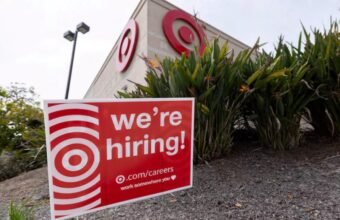




























The US Federal Trade Commission (FTC) is demanding information from Walmart, Uber and seven other companies about whether and how they use consumers’ personal data to determine individualized prices, wages and job offers, Reuters reported.
A senior FTC official said on Wednesday that the regulator is seeking details on companies’ use of information such as location, browsing history and income to tailor offers to individual consumers and workers.
***
The requests also cover Target, Lyft, DoorDash, Instacart, Delta Air Lines, United Airlines and JetBlue Airways.
The FTC plans to use the information to prepare a study examining personalized pricing and wage-setting practices. The findings are intended to help regulators and lawmakers better understand the technologies involved, the data companies collect and their potential effects on prices, pay and employment offers.
The inquiry comes as algorithmic pricing tools, including systems powered by artificial intelligence, raise concerns that businesses could use personal information to estimate how much individual customers are willing to pay and adjust prices accordingly.
Such practices can be difficult to identify because different consumers may see different prices for the same product or service, making comparisons more challenging.
State lawmakers have increasingly pursued measures to restrict personalized pricing and the use of algorithms to set individual wages. The National Retail Federation has criticized such restrictions, arguing that data-driven discounts can help retailers reward customer loyalty.
FTC Chairman Andrew Ferguson has warned that personalized pricing could violate consumer protection laws when customers do not reasonably expect their information to be used in this way. He has also said companies should expect enforcement where the practice breaks the law.
The FTC previously invited public comments on personalized pricing, receiving hundreds of responses calling for an outright ban. However, the agency has said it lacks the authority to impose a blanket prohibition on the practice.
The inquiry is taking place ahead of next week’s US congressional elections, as voters continue to identify the cost of living as a major concern.