




















The coalition behind the diplomatic note includes Poland, Austria, Croatia, Denmark, Estonia, Finland, Germany, Latvia, Lithuania, and Sweden, United24media reported.
***
These ten nations warned that allowing Moscow onto the international cultural stage risks normalizing Russia’s full-scale invasion of Ukraine.
Ahead of a meeting of EU culture ministers scheduled for November 19, the group called for “further and consistent efforts” to prevent Russia from taking part in the exhibition.
“In light of current geopolitical realities there should be no place for the ‘normalization’ of Russia’s participation in international sporting and cultural events until a just and lasting peace is established in Ukraine,” the note states.
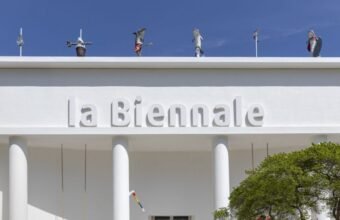
For the first time since the start of its full-scale invasion of Ukraine, Russia was represented at the Venice Biennale, with participating artists and curators maintaining direct ties to the Kremlin and the war effort.
This readmission triggered intense international backlash, protest actions, and widespread criticism that Moscow was using the prestigious cultural platform to whitewash its actions and normalize state aggression on the global stage.
In March, the Biennale’s management handed the Italian Ministry of Culture documentation on the Russian pavilion after an urgent request to establish whether its logistics or financing could breach EU sanctions. On March 20, the Venice Biennale Foundation stated that Russia’s participation violated no restrictions imposed after the 2022 invasion.
Opposition to Russia’s participation also came from Finland’s political leadership, which announced it would skip the opening if the Russian pavilion remained; Latvian Culture Minister Agnese Lāce declared a boycott; a petition signed by 73 artists demanded exclusions; and on opening day, May 6, activists from FEMEN and Pussy Riot protested outside the Russian pavilion.
On July 13, Executive Vice-President Henna Virkkunen announced the Commission’s official recommendation to terminate the $2.3 million grant covering the 2025–2028 period.