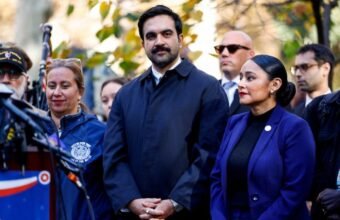



























The proposed timeline is five years later than the previously established deadline. Speaking at a news conference, Mamdani acknowledged that the City Council had ordered the facility to close by next year but said delays under his predecessor had made the revised schedule necessary, Reuters reported.
“What will make this chapter different is our commitment to see it through, to chart a new path of public safety that endures, and to keep our promises where so many have been broken before,” he said.
***
Rikers Island has faced longstanding criticism over violent conditions that endanger both inmates and staff. Last year, a federal judge transferred control of the jail complex from city officials to an independent remediation manager, citing the city’s failure to address problems linked to dozens of deaths in custody over the past decade and thousands of use-of-force incidents annually.
Mamdani said the closure plan had been developed in consultation with the remediation manager and would be implemented with the manager’s involvement.
Under the proposal, the first replacement facility, located in downtown Brooklyn, is scheduled to open in 2029. Three additional borough-based jails are expected to open over the following three years.
The new facilities are intended to be closer to public transportation, courthouses and residential communities, making it easier for inmates to maintain contact with their families and access legal support.
Rikers Island currently holds approximately 6,600 inmates. The mayor’s plan aims to reduce the population to 5,500 by the time the Brooklyn facility opens and to 4,100 by 2032.
Mamdani said the reduction would be achieved through alternatives to incarceration, improved employment and housing opportunities, faster legal proceedings and efforts to reduce the backlog of cases in city courts.
The plan also includes 236 additional therapeutic beds in hospitals for incarcerated people with serious mental health needs, on top of the 106 already opened by his administration.
The city also plans to invest $146 million in treatment and education programs over the next fiscal year.