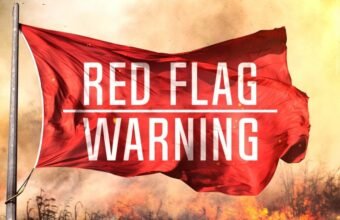
























Issued by the National Weather Service, it aims to warn communities when environmental conditions are ripe for fires to ignite and spread rapidly, News.Az reports, citing The Economic Times.
***
This risk becomes particularly severe when wildfire-prone regions face a mix of severe heat, low humidity, dry vegetation or debris, and strong winds.
Meaning of a Red Flag Warning
- High temperatures that dry out vegetation
- Low humidity levels that reduce moisture in the air
- Strong winds that increase fire spread
- Accumulated dry debris such as leaves and grass that act as fuel
These elements together create ideal conditions for wildfires to start and expand quickly.
Why this warning matters
This alert is more than just informational, it serves as an urgent advisory. It enables communities to take precautionary actions before a fire begins or escalates.
- Follow updates updates from local wildfire agencies, fire departments, and emergency management
- Monitor air quality forecasts, as wildfire smoke can minimize visibility and affect health
Reduce fire risks around your home
- Water lawns, shrubs, and trees if possible
- Remove dry brush, leaves, and other flammable materials
- Move items such as firewood, propane tanks, and grills away from buildings
Be prepared for emergencies
- Keep essentials ready: water, non-perishable food, medications, masks, flashlights, batteries, important documents, and a first-aid kit
- Ensure vehicles have sufficient fuel, in case evacuation becomes necessary
Avoid fire-triggering activities
- Refrain from burning trash or yard debris
- Use grills or smokers only on gravel or paved surfaces
- Avoid driving over dry grass or brush
- Make sure chains or metal parts on vehicles are not dragging and resulting in sparks
Report hazards immediately
- Inform local authorities or utility providers about fallen power poles or lines
- Avoid approaching potentially energized lines