















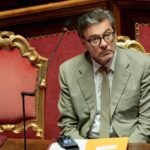

Spain’s diplomatic community and foreign affairs journalists have expressed concern over what they see as a significant decline in the Ministry of Foreign Affairs since José Manuel Albares took office, citing heightened restrictions on press access and more centralized decision-making.
On Monday, Madrid’s Press Association condemned what it described as “pressure” from senior foreign ministry officials – including journalist “vetoes” and the informal labelling of media outlets as “friendly” or “hostile”, News.Az reports, citing foreign media.
***
The controversy flared last week when a journalist noted at a press conference that Albares had not held a standalone presser for eight months. Days later, El Confidencial Digital reported that the minister had sought to bar her from the ministry – a move later conveyed to her employer by his spokesperson.
The episode sparked outrage among Spain’s foreign affairs press corps, which accuses Albares of undermining press freedom since taking office in 2021.
Journalists including Francisco Carrión from El Independiente have denounced what they called a growing “law of silence” – marked by blacklists, restricted access to diplomats, opaque briefings – whilst Angie Calero from daily ABC rebuked the ministry’s communication strategy increasingly reliant on social media.
“We have no access to any diplomats. No one wants to speak out of fear. There is an unusual code of silence typical of undemocratic regimes where purges prevail,” said Macarena Gutiérrez from newspaper La Razón.
Critics say the lack of briefings and press conferences – and the ministry well-known no-response policy – have created major blind spots on sensitive dossiers, including the EU–UK Gibraltar talks, maritime negotiations with Morocco, the transfer of Western Sahara airspace control and Spain’s push to include Catalan, Basque and Galician in the EU’s linguistic regime.