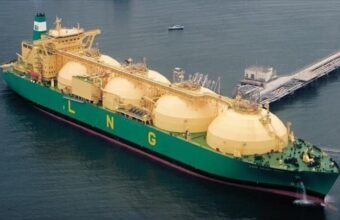






















The vessels included oil tankers, container ships, and other commercial ships that transited the strategic waterway “after obtaining permission with the coordination and security of the IRGC Navy,” the navy’s public relations department said in a statement carried by state-run broadcaster IRIB, News.Az reports, citing Anadolu agency.
***
Regional tensions have remained high since the US and Israel launched strikes against Iran in late February.
Tehran later retaliated with attacks targeting Israel and US allies in the Gulf, along with the closure of the Strait of Hormuz, one of the world’s most important energy transit routes.
A ceasefire took effect on April 8 through Pakistani mediation, but talks in Islamabad failed to produce a lasting agreement.
US President Donald Trump later extended the truce indefinitely while maintaining a blockade on vessels traveling to or from Iranian ports through the Strait of Hormuz. Stepped-up efforts for a permanent end to the conflict continue, with the Pakistani army chief currently in Tehran to prevent a resumption of the war.
Before the conflict started, the strategic waterway handled nearly one-fifth of global energy supplies. Disruptions to Gulf shipping have continued to raise concerns over global energy markets despite diplomatic efforts aimed at easing tensions.