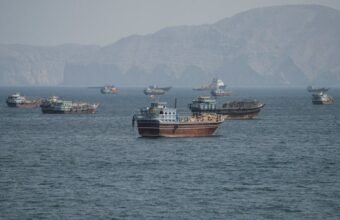























At least 12 incidents involving oil, liquefied natural gas and liquefied petroleum gas tankers were recorded around the Strait of Hormuz between September 28 and October 5, according to data compiled by three maritime security sources tracking activity in the region, Reuters reported.
The sources said the figure was the highest number of tanker attacks recorded in a single week since the US war with Iran began on February 28.
***
Separate data compiled by the International Maritime Organization showed nine vessel-related incidents during the same period. Maritime security sources said the UN agency typically takes longer to verify and formally record incidents.
The closest comparable period was the week of July 13, when the IMO recorded eight incidents.
The US Navy-led Joint Maritime Information Center said attacks, attempted attacks and other forms of harassment by Iran’s Islamic Revolutionary Guard Corps had continued in the strategic waterway. The activity has included drone overflights, surveillance and attempts to communicate with vessels via VHF radio.
“These actions continue to demonstrate Iran’s intent to assert presence along key transit lanes and maintain pressure on transiting vessels,” the center said in a Sunday note.
The latest escalation comes as Gulf oil exporters have increased shipments. Shipping data showed that crude oil exports from Gulf producers exceeded pre-war levels for about half of September, although continued tanker attacks and logistical difficulties have raised questions about whether higher export volumes can be sustained.
India’s foreign ministry said on Tuesday that 12 crew members were injured after an unidentified projectile struck the Panama-flagged oil tanker On Peace while it was sailing through the Strait of Hormuz.
The incident highlighted the risks facing commercial shipping in one of the world’s most important energy corridors, through which a significant share of global oil and gas supplies passes.
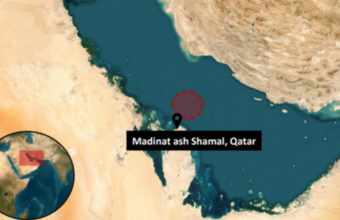
The Strait of Hormuz connects the Persian Gulf with the Gulf of Oman and Arabian Sea, making it a critical route for energy exports from major Gulf producers.
The increase in attacks and maritime harassment has added uncertainty for ship operators and energy markets, particularly as regional producers seek to maintain higher export levels amid the continuing conflict.
Maritime security sources said the latest figures reflect a broader pattern of pressure on vessels navigating the strait since the beginning of the Iran war.