











The proposal was announced in a statement issued by the parliament’s presidency following an emergency meeting in the eastern city of Benghazi, Anadolu Agency reported.
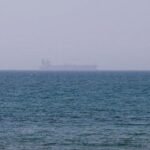
The meeting focused on recent attacks on a Russian vessel and a Maltese-flagged ship in and near the city’s port, as well as their implications for Libya’s national sovereignty and maritime security.
***
The House of Representatives said the incidents underscored the need for a unified national position, adding that protecting the country’s sovereignty required unifying state institutions and ending political divisions.
Under the proposed initiative, the High Council of State, based in Tripoli, is invited to form a joint committee with the parliament to agree on the political, constitutional and legal arrangements needed for the transition.
The committee would include one representative from each electoral district of both bodies and be co-chaired by one member from the presidency of each institution.
Its task would be to prepare a time-bound roadmap for unifying state institutions, safeguarding judicial independence and completing preparations for presidential and parliamentary elections. The plan would also include guarantees that the election results would be accepted.
The parliament urged the High Council of State to nominate its representatives and convene the committee’s first meeting within a week, saying the initiative was based on existing legal frameworks.
It also called on the UN mission, Libyan political forces and international partners to support the proposal and help reach a national settlement that preserves the country’s sovereignty and paves the way for stability.
Libya remains divided between two rival administrations. The internationally recognised Government of National Unity, led by Abdul Hamid Dbeibeh, is based in Tripoli and controls western Libya. In the east, the House of Representatives appointed a rival government in 2022, headed by Osama Hammad and based in Benghazi, which administers eastern Libya and most southern cities.
The UN mission has for years sought to bridge the country’s political divisions and facilitate elections aimed at ending successive transitional periods and unifying state institutions.