
















***
Table Of Content
- How did the hostage crisis at Cartagena’s Éxito supermarket begin?
- How did Colombian police and military forces rescue the hostages?
- How many people were held hostage, and what happened to those inside the supermarket?
- Why did the hostage crisis disrupt Cartagena’s airport and require a major security operation?
- What does the Cartagena supermarket siege reveal about Colombia’s growing security challenges?
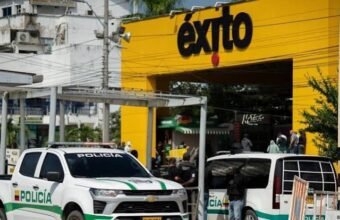
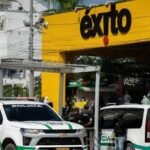
The crisis began on November 24 at an Éxito supermarket in Cartagena’s La Castellana neighborhood, when armed suspects reportedly attempted to rob an armored vehicle transporting cash.
After the robbery failed and police approached, the suspects entered the supermarket and took people hostage. Initial reports indicated approximately 30 captives, although subsequent accounts suggested a considerably higher number.
President Abelardo de la Espriella traveled to Cartagena to oversee the security response. The incident occurred amid heightened security concerns following a separate car bombing in Villavicencio.
How did the hostage crisis at Cartagena’s Éxito supermarket begin?
The hostage situation began on the morning of November 24, when a group of armed men allegedly attempted to rob an armored vehicle transporting cash near a shopping center in Cartagena.
According to Colombian authorities, security personnel detected the suspicious activity and alerted police officers, prompting the suspects to flee.
The gunmen subsequently entered an Éxito supermarket in the La Castellana neighborhood, where they seized customers and employees to prevent their immediate arrest.
The situation rapidly developed into a major security emergency as police surrounded the building and established a security perimeter.
Early official statements indicated that approximately 25 to 30 people were being held captive, although later reports from security authorities suggested that the actual number was considerably higher.
Images circulated on social media appeared to show hostages inside the supermarket with their hands restrained. Reuters said it could not independently verify those images.
The siege continued throughout Tuesday as negotiators attempted to secure the captives’ release without further violence.
How did Colombian police and military forces rescue the hostages?
Colombian authorities launched a coordinated security operation involving the National Police, military personnel and specialized tactical units.
Officers surrounded the supermarket while negotiators attempted to persuade the armed suspects to surrender and release their captives.
During the standoff, approximately ten hostages were released, including several elderly women.
However, negotiations failed to secure the release of everyone remaining inside.
Security forces subsequently entered the building during the early hours of November 25, following reports of several explosions connected to the tactical intervention.
President Abelardo de la Espriella announced at approximately 1:30 am local time that all remaining hostages had been rescued.
He said one suspected hostage-taker had been killed after the armed group refused an opportunity to surrender.
Later reporting indicated that several suspects had also been detained.
Although authorities described the rescue as successful, subsequent questions emerged about the identity of the man killed during the operation.
Investigators will need to clarify the circumstances surrounding his death.
How many people were held hostage, and what happened to those inside the supermarket?
The precise number of people held hostage has varied across official statements and subsequent media reports.
President De la Espriella initially referred to approximately 30 captives, including shoppers and supermarket employees.
However, the Colombian military later reported that more than 50 people had been held, while subsequent police figures cited by international media suggested the total could have approached 70.
Several people were released during negotiations, while the remaining captives escaped or were rescued when security forces entered the building.
Witness accounts described an extremely tense situation, with armed suspects threatening hostages and ordering them to remain on the floor.
One supermarket employee told local media that the attackers had restrained some of those inside and threatened them with firearms.
Authorities said all remaining captives were freed during the final intervention.
However, questions have arisen about the man killed in the operation, with later reporting suggesting that relatives believed he had been among the hostages rather than the attackers.
Why did the hostage crisis disrupt Cartagena’s airport and require a major security operation?
The siege triggered an extensive security response because armed suspects were holding civilians inside a busy commercial establishment in one of Colombia’s principal tourist destinations.
Cartagena is an important economic and tourism center on the country’s Caribbean coast, attracting domestic and international visitors.
Authorities deployed heavily armed police officers, military personnel and specialized intervention units around the supermarket.
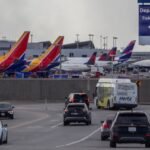
The operation also affected Rafael Núñez International Airport, where landings were temporarily suspended while military forces used part of the airport’s infrastructure for security-related activities.
According to Reuters, the suspension lasted approximately 45 minutes before landing operations resumed.
The decision illustrated the scale of the security resources mobilized to resolve the crisis.
President De la Espriella traveled to Cartagena after visiting Villavicencio, where a car bombing had injured more than 20 people.
Although both incidents occurred during a period of heightened insecurity, authorities described the supermarket siege as a criminal robbery attempt rather than an established operation by an armed insurgent organization.
What does the Cartagena supermarket siege reveal about Colombia’s growing security challenges?
The hostage crisis occurred during a difficult period for Colombian authorities, who are confronting violence involving criminal organizations, armed groups and attacks on public infrastructure.
Just hours before the Cartagena incident, a car bomb exploded near government offices in Villavicencio, injuring more than 20 people.
The Colombian government has blamed that separate attack on dissident elements of the former Revolutionary Armed Forces of Colombia, although responsibility remains subject to investigation.
President De la Espriella has emphasized a tougher security strategy and promised decisive action against criminal organizations.
However, he distinguished the Cartagena hostage-taking from attacks attributed to insurgent groups, describing the perpetrators as ordinary criminals.
The incident demonstrates how an attempted robbery can escalate into a major public safety emergency when armed suspects take civilians hostage.
It also raises questions about emergency preparedness, hostage negotiation procedures and the protection of people in crowded commercial spaces.
The investigation must establish the identities of those responsible and resolve questions surrounding the fatal shooting during the rescue operation.