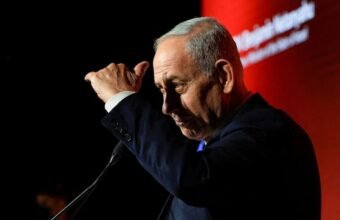


























In an interview with Israel’s Channel 10 on Friday, Netanyahu said he was preparing for a scenario in which broader sanctions could be imposed on Israel, including restrictions on its banking sector, Reuters reported.
“There could be sanctions, and sanctions on banks so you need to set up a bypass economy,” Netanyahu said, confirming that he was referring to cryptocurrency when asked about the proposal. He also cited blockchain technology as a possible option.
***
The remarks come ahead of Tuesday’s election, amid growing diplomatic tensions over Israel’s settlement policy. Last month, Britain, France and Canada said they would block imports from Israeli settlements in the occupied West Bank.
The Bank of Israel issued a rare rebuke of Netanyahu’s proposal, saying cryptocurrencies could not serve as a means of bypassing sanctions. It urged political leaders to focus on preventing sanctions and protecting the country’s economic ties with major trading partners.
“The right course for Israel’s economy is to preserve our economic relations with our main trading partners, and to focus on preventing sanctions and their negative impact on the economy,” the central bank said.
On Sunday, more than 100 economists, including former Bank of Israel officials, former central bank governor Jacob Frenkel and several Nobel laureates, signed a letter warning that the proposal could increase unemployment, reduce foreign investment and damage Israel’s international economic standing.
The economists cited countries including South Africa, Iran and Russia as examples of the potential consequences of international sanctions, warning that Israeli living standards and the state’s ability to finance its security could suffer.
Netanyahu’s main rival in Tuesday’s election, Gadi Eisenkot, described the cryptocurrency proposal as “madness,” warning that the policy, which he dubbed “BibiCoin,” could drive companies abroad and undermine national security.
Opposition leader Yair Lapid also criticized Netanyahu, warning that the country could face severe economic hardship if its international isolation deepened.
Netanyahu defended his record on Sunday, urging voters to support him and saying he and US President Donald Trump had two years left to work together to topple Iran’s rulers.
Opinion polls suggest the election could result in a political stalemate, with neither Netanyahu’s ruling coalition nor an opposition alliance securing a parliamentary majority.