













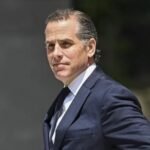



Hernández, 57, is expected to arrive at Palmerola International Airport on a private flight. Although he is not expected to be detained upon arrival, he must appear before a Honduran court on August 3 to face fraud and money laundering charges connected to the “Pandora II” corruption case, News.Az reports.
Table Of Content
- Why is Juan Orlando Hernández returning to Honduras now?
- Will Hernández be arrested when he arrives in Honduras?
- What charges does Hernández face in Honduras?
- Why does Trump’s pardon not end the Honduran criminal case?
- Why was Hernández imprisoned in the United States?
- Why did Trump’s pardon create political controversy in Honduras?
- What is expected to happen at the August 3 court hearing?
- Could Hernández return to Honduran politics?
***
Why is Juan Orlando Hernández returning to Honduras now?
Juan Orlando Hernández is returning to Honduras eight months after receiving a presidential pardon in the United States. Before the pardon, the former Honduran leader was serving a 45-year federal prison sentence following his conviction on drug trafficking and firearms-related charges.
His return became possible after an arrest warrant issued against him in Honduras was suspended in June. The suspension means he can enter the country without being immediately detained, although the domestic criminal proceedings against him remain active.
Hernández is expected to arrive at Palmerola International Airport on Sunday aboard a private flight. His return will bring him back to Honduras for the first time since his extradition to the United States in April 2022.
The former president has publicly described his return as an emotional moment. He said he was looking forward to seeing his mother, wife, children, grandchildren and political supporters after spending several years away from the country.
His arrival is not expected to end the legal uncertainty surrounding him. Hernández has been ordered to appear before a Honduran court on August 3 in connection with allegations of fraud and money laundering. He has said he will ask the court to dismiss the charges and continues to deny any wrongdoing.
The timing of his return therefore reflects both a personal decision to reunite with his family and a legal necessity. Hernández must address the criminal case that remains pending in Honduras despite the U.S. pardon that secured his release from prison.
Will Hernández be arrested when he arrives in Honduras?
Hernández is not expected to be detained immediately when he arrives in Honduras because the arrest warrant against him was suspended in June. The suspension allows him to return to the country while remaining subject to the authority of the Honduran court handling his case.
A suspended warrant is not the same as the dismissal of criminal charges. The accusations of fraud and money laundering remain active, and Hernández is required to appear in court on August 3. His legal status could change depending on decisions made during or after that hearing.
The court may consider requests from prosecutors and Hernández’s defense team. His lawyers are expected to argue that the charges should be dismissed, while prosecutors may seek to continue the proceedings or request conditions intended to ensure that he remains available to the court.
Potential legal conditions could involve restrictions on travel or requirements to attend future hearings, although no such measures had been publicly announced before his return. It will be for the Honduran court to decide whether any restrictions are necessary.
Hernández has said he is returning voluntarily and intends to defend himself. His decision to appear in court may be presented by his defense as evidence that he does not intend to evade the proceedings.
However, the suspension of the warrant does not guarantee that he will remain free throughout the case. If the court reinstates the warrant or approves a new detention request, Hernández could face arrest at a later stage.
His arrival will therefore be closely watched by both supporters and critics, particularly for signs of how the Honduran judicial authorities intend to manage such a politically sensitive case.
What charges does Hernández face in Honduras?
Hernández faces allegations of fraud and money laundering in connection with the corruption investigation known as “Pandora II.” The case concerns claims that nearly $11 million in public funds was diverted to finance political campaigns between 2010 and 2013.
Prosecutors allege that part of the money was used to support Hernández’s first presidential campaign. They are expected to examine how the public funds were allegedly transferred, which organizations or individuals received them and whether those involved attempted to conceal their origin or intended use.
The fraud allegations relate to the alleged misuse or diversion of government money. The money laundering accusations concern claims that financial transactions were used to disguise the source, ownership or destination of the diverted funds.
Hernández denies all wrongdoing and has said he will ask the court to dismiss the case. His defense may challenge the evidence, the legal basis of the charges or the claim that he personally participated in the alleged scheme.
His scheduled appearance on August 3 will be an important stage in the proceedings, but it does not necessarily mean the case will be resolved immediately. The court may need to consider motions, review evidence and determine whether the prosecution has presented sufficient grounds for the case to continue.
No final judgment has been issued against Hernández in the Honduran proceedings. He must therefore be treated as innocent of the domestic charges unless a court finds him guilty.
The “Pandora II” case is legally separate from the U.S. prosecution that resulted in his 45-year prison sentence and subsequent presidential pardon.
Why does Trump’s pardon not end the Honduran criminal case?
The pardon granted by U.S. President Donald Trump applied only to Hernández’s federal convictions in the United States. It ended the punishment imposed by the U.S. court but did not erase or dismiss charges filed under Honduran law.
Presidential pardons generally operate within the legal system of the country granting them. A U.S. president can pardon federal offenses prosecuted by the United States, but cannot order another sovereign country to terminate its own criminal proceedings.
Hernández was convicted in the United States of drug trafficking and firearms-related offenses. The Honduran case, by contrast, concerns allegations of fraud, money laundering and the diversion of public funds for political campaigns.
The cases are therefore separate in both jurisdiction and subject matter. Trump’s decision allowed Hernández to leave U.S. prison, but Honduran judges and prosecutors retain authority over the domestic allegations.
The distinction explains why Hernández must appear before a Honduran court on August 3 despite being pardoned. It also explains why an arrest warrant had remained active until it was suspended in June.
Honduran authorities are not legally required to adopt the conclusions of the U.S. pardon. The domestic court must make its own decisions based on Honduran law, the evidence submitted by prosecutors and the arguments presented by Hernández’s lawyers.
The pardon may still have political consequences in Honduras, particularly because critics accused Washington of interfering in the country’s political affairs. Legally, however, it provides no automatic immunity from prosecution outside the United States.
Hernández’s immediate future will consequently be determined not by Trump’s pardon but by the decisions of the Honduran judicial authorities handling the “Pandora II” case.
Why was Hernández imprisoned in the United States?
Hernández was arrested in Honduras in February 2022, shortly after leaving office, and extradited to the United States two months later. U.S. prosecutors charged him with drug trafficking and firearms-related offenses.
In 2024, a U.S. court convicted Hernández and sentenced him to 45 years in federal prison. The case marked a dramatic fall for a former president who had previously presented himself as an ally of Washington in regional security and counter-narcotics efforts.
Hernández consistently denied the allegations against him. He maintained that the case was based on false claims made by criminals seeking to reduce their own sentences or secure other benefits from U.S. authorities.
The 45-year sentence meant Hernández could have spent most of the remainder of his life in prison. His situation changed in late 2025, when President Donald Trump granted him a pardon.
Hernández has described his time in prison as extremely difficult and said it was an experience he would not wish on anyone. He has also portrayed his release and return as a personal and political vindication, although the pardon did not overturn the factual findings of the U.S. trial through a new judicial process.
A pardon ends or reduces punishment but is different from an acquittal issued after an appeal or retrial. It does not necessarily establish that the original conviction was legally incorrect.
Following his release, Hernández began preparing to return to Honduras, where separate corruption allegations remained unresolved. His U.S. imprisonment is over, but the domestic proceedings mean his legal difficulties have not ended.
Why did Trump’s pardon create political controversy in Honduras?
Trump’s decision to pardon Hernández in late 2025 generated controversy because it came during a politically sensitive period in Honduras. Critics accused Washington of interfering in the country’s presidential election and influencing domestic political dynamics.
Hernández remains a prominent figure within Honduran politics despite his conviction and years of imprisonment. His release therefore had potential consequences beyond his personal legal situation. It strengthened the possibility that he could again influence his political party, supporters and public debate.
Critics argued that pardoning a former president convicted of serious drug trafficking and weapons-related offenses sent a troubling message about accountability. They also questioned why Washington would release a politician who had been prosecuted and sentenced by the U.S. justice system.
Supporters of Hernández viewed the decision differently. They accepted his claim that the prosecution was unjust and regarded the pardon as recognition that he had been treated unfairly.
The timing intensified these competing interpretations. Any major U.S. decision involving a former Honduran president could affect voters’ perceptions, party organization and the broader electoral environment.
The pardon also raised questions about consistency in Washington’s regional policies. Hernández had once been treated as a partner by the United States before being extradited, convicted and later pardoned.
However, the political controversy does not determine the outcome of the Honduran case. Fraud and money laundering allegations must still be considered by the domestic court.
His return could revive the debate over the pardon, particularly if Hernández resumes political activity or plays a visible role within his party. Public reaction may also depend on how the Honduran judiciary handles the proceedings against him.
What is expected to happen at the August 3 court hearing?
Hernández is expected to appear before a Honduran court on August 3 to address the fraud and money laundering charges against him. He has said he will ask the court to dismiss the allegations and maintains that he is innocent.
The hearing may allow his defense lawyers to challenge the prosecution’s case and argue that there is insufficient evidence to continue the proceedings. Prosecutors are expected to defend the investigation and explain why they believe the charges should remain active.
The court could consider whether the case should proceed, whether additional evidence is required and whether Hernández should be subject to legal restrictions while the proceedings continue. A final verdict is unlikely unless the hearing has specifically been scheduled to resolve all outstanding issues.
The suspension of the arrest warrant will be another important matter. The court may leave the suspension in place, modify Hernández’s legal conditions or consider a request to restore detention measures.
His voluntary return and appearance may be cited by his lawyers as evidence that he is cooperating with the judicial process. Prosecutors could nevertheless argue that conditions are needed because of the seriousness of the allegations and his ability to travel internationally.
The hearing will also provide the first clear indication of how Hernández intends to defend himself in Honduras after his release from U.S. prison. His public statements have so far focused on denying wrongdoing and seeking dismissal.
Regardless of the immediate decision, either side may pursue further legal action. The proceedings could therefore continue through additional hearings, motions or appeals. Hernández’s August 3 appearance is best understood as a major procedural step rather than the guaranteed conclusion of the “Pandora II” case.
Could Hernández return to Honduran politics?
Hernández has not ruled out returning to politics, although he says it is not one of his immediate priorities. He has indicated that he would like to support the new leadership of his political party by sharing his experience.
His ability to influence politics may depend on the outcome of the criminal case and the public response to his return. Even without seeking elected office, a former president can play an informal role by advising party leaders, meeting supporters or participating in internal discussions.
Hernández is likely to retain a base of loyal supporters who believe he was unfairly prosecuted. His return could energize that group and increase his visibility within the party.
At the same time, his U.S. conviction, the controversial pardon and the pending Honduran charges remain major political liabilities. Opponents are likely to use those issues to challenge any attempt by Hernández to regain influence.
Legal restrictions could also affect his plans. If the court imposes travel limits, detention measures or other conditions, his ability to participate in political activities could be reduced. A conviction in Honduras could create further legal obstacles.
The former president’s immediate focus is expected to be on reuniting with his family and defending himself in court. However, his statement that he has not excluded a future return to politics ensures that the question will remain part of the national debate.
His influence will ultimately depend on several factors: the court proceedings, the response of his party, public opinion and whether he chooses to pursue a formal position or remain an adviser behind the scenes.