







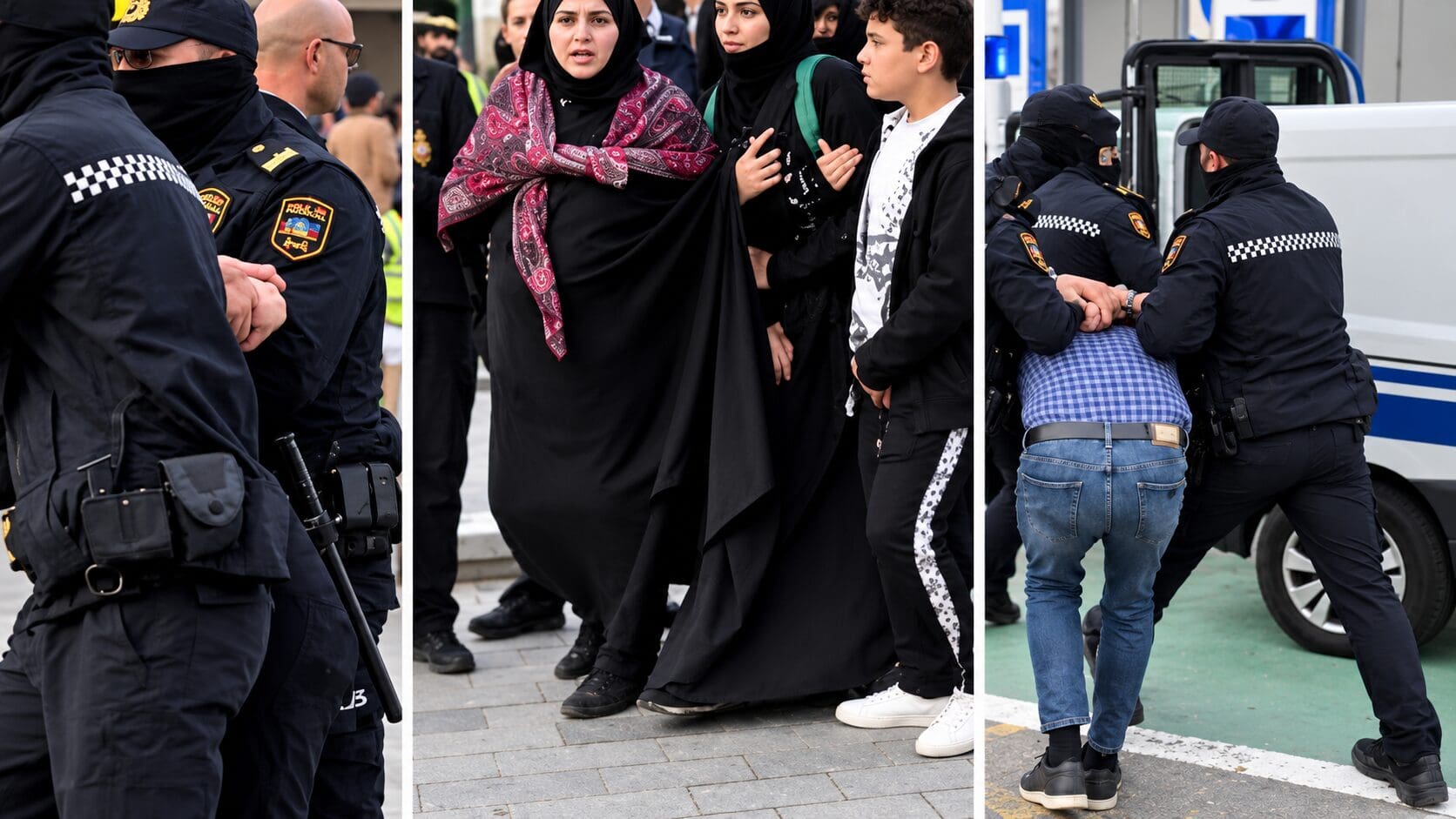





The demonstrations came a week after violent unrest involving clashes with security forces, looting and damage to property, prompting Italian authorities to deploy substantial police reinforcements and introduce extensive security measures, News.Az reports.
***
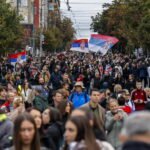
Protests were reported in Rome, Milan, Turin, Bologna and several other cities, with participants expressing frustration over household expenses, military spending and broader political developments.
While confrontations occurred in several locations, demonstrations in Milan remained largely peaceful. Reuters witnesses reported no incidents of shop looting or property vandalism during Saturday’s protests, despite the violence recorded the previous weekend.
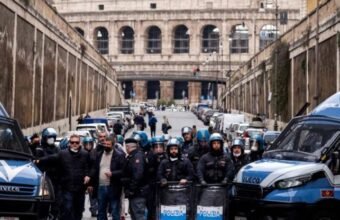
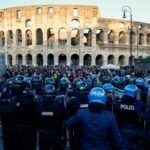
In Rome, police and Carabinieri officers established security lines around the Colosseum as demonstrators gathered in the city centre.
Authorities also announced the detention of an individual suspected of involvement in organising the October 17 Movement, which had been linked to earlier demonstrations.
The latest unrest has intensified debate over public order, freedom of assembly and the economic pressures facing Italian households.
News.Az examines what triggered the demonstrations, how events unfolded across Italy, the role of the October 17 Movement, the government’s response and the broader political implications of the protests.
What is driving the latest wave of protests across Italy?
The latest demonstrations reflect growing frustration among parts of Italian society over rising living expenses, opposition to war and dissatisfaction with government priorities.
Cost-of-living concerns have become a central theme of the protests, with participants pointing to the financial pressures affecting households, particularly those struggling with everyday expenses.
Housing, food, transport and energy costs can place considerable pressure on household budgets even when headline inflation moderates, especially if wages have not kept pace with earlier price increases.
Protesters have also expressed opposition to military spending and Italy’s involvement in international security commitments.
Some demonstrators argue that public resources should be directed towards social services, education, healthcare and improving living standards rather than expanding military expenditure.
The current wave of demonstrations followed serious unrest on October 17, when confrontations between protesters and police escalated into incidents of vandalism and looting in several cities.
Those events attracted national attention and contributed to calls for further demonstrations the following weekend.
Social media played an important role in publicising the October 24 gatherings, helping participants coordinate protests across multiple urban centres.
However, the demonstrations should not necessarily be understood as representing a single organisation or political programme.
Participants include people with different grievances, and opposition to economic conditions does not automatically imply agreement with every political demand expressed at the rallies.
The protests nevertheless demonstrate how economic dissatisfaction and opposition to military policies can become overlapping sources of public mobilisation.
How did demonstrations unfold in Rome, Milan, Turin and Bologna?
The October 24 demonstrations produced different outcomes across Italy’s major cities, reflecting variations in protest organisation, police deployment and confrontations between participants and security forces.
In Rome, demonstrators gathered near the Colosseum, where police and Carabinieri officers established security cordons.
Tensions developed when groups of protesters attempted to move through areas restricted by security forces.
Police used water cannons during confrontations in the capital, while officers in protective equipment worked to prevent crowds from entering sensitive locations.
In Turin, clashes occurred after sections of the demonstrations became confrontational.
Reports described objects being thrown towards police, who responded with crowd-control measures.
Bologna also experienced disorder, with security forces using equipment including water cannons and tear gas during confrontations.
Milan presented a different picture.
Although authorities deployed extensive security measures and several businesses closed as a precaution, the demonstrations there remained largely peaceful.
Reuters journalists reported that they did not witness shop looting or property vandalism during Saturday’s protests in the cities they monitored.
This distinction is important because the previous weekend had involved considerably more extensive property damage.
The demonstrations also occurred in other Italian cities, reflecting the geographical spread of the movement.
The varying outcomes demonstrate that large public gatherings do not inevitably result in violence.
Differences in crowd behaviour, policing tactics, protest routes and local circumstances can significantly influence how demonstrations develop.
Who is behind the October 17 Movement, and how are the protests organised?
The October 17 Movement has emerged as a prominent name associated with the latest wave of demonstrations in Italy.
The movement takes its name from October 17, when protests over living costs escalated into violent confrontations in Milan and other cities.
Following those events, calls for renewed demonstrations circulated through social media channels, encouraging participants to gather again on October 24.
Messages attributed to the movement promoted further public mobilisation and identified several Italian cities as locations for demonstrations.
The organisational structure of the movement remains an important question.
Public mobilisation through social media can allow different groups and individuals to coordinate action without necessarily operating under a traditional political party or centralised leadership structure.
Participants may share dissatisfaction over economic and political issues while differing in their views on protest tactics and broader objectives.
On October 24, Italian police announced that they had detained an individual suspected of involvement in organising the movement.
The person was taken to police headquarters in Milan for questioning.
However, detention for questioning does not establish criminal responsibility, and the precise allegations require examination through the relevant legal process.
It is also important to distinguish between peaceful demonstrators and individuals suspected of committing violent acts.
Participation in a protest does not, by itself, demonstrate involvement in vandalism, assault or other offences.
The movement’s longer-term influence will depend partly on its organisational development, ability to sustain participation and response to government measures.
Why has the Italian government deployed extensive security measures?
Italian authorities introduced substantial security arrangements ahead of the October 24 demonstrations following the violent incidents recorded the previous weekend.
On October 17, confrontations in Milan and Bologna involved protesters throwing objects at police, security forces using crowd-control equipment and groups damaging commercial property.
The unrest prompted concerns that renewed demonstrations could result in similar incidents.
Ahead of Saturday’s protests, authorities increased police deployments in major urban centres and introduced additional surveillance and crowd-management measures.
In Milan, security preparations included police officers, Carabinieri, municipal personnel and military reinforcements.
Rome also saw a substantial security presence around major landmarks, including the Colosseum.
The measures were intended to protect public infrastructure, businesses, residents and demonstrators while reducing the possibility of confrontations.
Many shopkeepers closed their businesses temporarily because of concerns about looting or damage to property.
Prime Minister Giorgia Meloni had previously condemned violence during demonstrations, arguing that the right to protest should not be used to justify attacks on public order.
However, the government’s approach has also raised questions about the appropriate balance between security and freedom of assembly.
Peaceful demonstrations are protected under Italy’s constitutional framework, and restrictions on public gatherings must operate within applicable legal requirements.
The central challenge for authorities is to prevent criminal activity without unnecessarily interfering with lawful political expression.
Saturday’s events demonstrated both sides of that challenge: confrontations occurred in several cities, while other demonstrations proceeded without major disorder.
Could the protests increase political pressure on Prime Minister Giorgia Meloni?
The nationwide demonstrations have brought renewed attention to the political challenges facing Prime Minister Giorgia Meloni’s government.
Economic conditions, public spending priorities and Italy’s international military commitments have become important subjects of public debate.
For protesters concerned about living costs, the central question is whether government policies are sufficiently addressing household financial pressures.
Opposition to war and military expenditure has added another dimension to the demonstrations, bringing together groups with different political priorities.
The protests could encourage opposition parties, trade unions and civil society organisations to intensify scrutiny of the government’s economic and security policies.
However, the size of demonstrations does not automatically indicate the level of electoral support for any particular political movement.
Participants in street protests are not necessarily representative of the wider electorate, and their political preferences may differ substantially.
The government must also respond to public concerns about security following the violence of October 17.
Its handling of demonstrations may become part of a wider debate over policing, civil liberties and the responsibilities of public authorities.
Further protests could maintain public attention on these issues, particularly if economic dissatisfaction continues.
Nevertheless, it remains uncertain whether the current demonstrations will develop into a sustained nationwide movement with a common political programme.
The longer-term consequences will depend on future mobilisation, the government’s response and broader developments in Italy’s economy and political environment.