






















Writing on social media, the President warned that failure to remove threats to the strategic waterway would result in the “obliteration” of Iran’s power infrastructure, specifically targeting the nation’s largest power plants, News.Az reports, citing CNN.
***
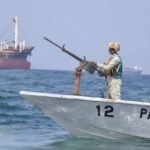
Tehran’s maritime representative indicated that ships not linked to “Iran’s enemies” could pass if they coordinate security with local authorities.
The directive follows weeks of maritime instability that have effectively halted shipping through the world’s most critical oil chokepoint, through which approximately 20% of global crude and liquefied natural gas (LNG) normally transits.
Iran maintains that diplomacy is a priority, but it insists that a cessation of U.S. and Israeli “aggression” is required to restore trust. The 48-hour window significantly raises the stakes for the global “just-in-time” energy supply chain.
Iran vows retaliation if the U.S. and Israel attack its power plantsIran’s military has vowed to retaliate against U.S. and Israeli energy, water, and IT infrastructure if its own power plants are targeted. A spokesperson for the Khatam al-Anbiya command center stated that any hit on Iran’s fuel or desalination facilities would trigger a symmetrical response against regional assets.
The geopolitical standoff has taken a further turn with claims from a senior Iranian lawmaker that a “new regime” is being implemented in the strategic waterway. Alaeddin Boroujerdi told state television that vessels passing through the Strait are now being charged a $2 million fee.
The potential for a “tit-for-tat” infrastructure war represents a severe escalation in the Persian Gulf crisis. Targeting water desalination and information technology hubs could disrupt not only energy supplies but also the region’s basic industrial stability.
Any escalation against Iranian utilities could further solidify the closure of the world’s most critical oil chokepoint. As the deadline approaches, the risk of a spike in crude prices and insurance premiums remains the primary concern for trade.
Strategic infrastructure in the crosshairsThe President’s latest warning marks a pivot in targeting strategy, moving beyond military assets toward Iran’s domestic power grid to exert maximum pressure on leadership.
Trump dismissed suggestions that the U.S. has not met its initial objectives, claiming the military campaign is “weeks ahead of schedule” and has already fundamentally degraded Iran’s naval and aerial capabilities.
As the White House suggests the Iranian government “wants to make a deal,” the President has publicly rejected negotiations at this stage, focusing on the unconditional reopening of the Strait.
The functional impact of a potential strike on Iranian power plants would likely extend beyond domestic energy shortages. Such an escalation signals a move toward a total disruption of regional industrial capacity, further complicating any path toward a diplomatic resolution.