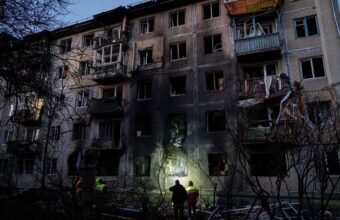











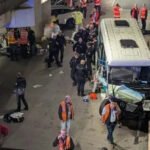

The attack reportedly targeted a UN peacekeeping convoy, underscoring the growing volatility in the region.
***
While details about the perpetrators remain under investigation, initial reports suggest that the patrol came under deliberate fire or was struck during a violent confrontation in an area where tensions have sharply escalated in recent months.
France, one of the key contributors to UNIFIL, confirmed the death and condemned the attack, describing it as an unacceptable assault on international peacekeepers operating under a UN mandate.
What is UNIFIL and what is its mission?
UNIFIL was established in 1978 to oversee the withdrawal of Israeli forces from southern Lebanon and to assist the Lebanese government in restoring authority in the region. Over time, its mandate has evolved, especially after the 2006 war between Israel and Hezbollah, to include monitoring the cessation of hostilities and supporting the Lebanese Armed Forces.
The mission operates in a highly sensitive and militarized environment, acting as a buffer between Israeli forces and armed groups such as Hezbollah. Its personnel routinely conduct patrols, observation, and liaison activities aimed at preventing escalation.
Why are French troops involved in UNIFIL?
France has historically played a leading role in UNIFIL, both politically and militarily. French troops are among the largest European contingents in the mission, reflecting Paris’s strategic interest in Middle Eastern stability and its longstanding ties with Lebanon.
French forces often take on high visibility roles, including patrols and coordination tasks, which can increase their exposure to risk in volatile zones.
What are the circumstances of the attack?
Although a full investigation is ongoing, early information indicates that the UN patrol was operating in a routine capacity when it came under attack. The nature of the incident—whether it was an ambush, crossfire, or targeted strike—remains unclear.
However, recent developments in southern Lebanon suggest a deteriorating security environment. Exchanges of fire across the Israel Lebanon border and increased military activity have created conditions in which peacekeepers face heightened danger, even during standard operations.
Has this happened before?
Yes, UNIFIL personnel have previously been targeted or caught in violence. Peacekeeping missions, particularly in conflict adjacent areas, are inherently risky. French soldiers have also suffered casualties in past incidents, although such events remain relatively rare compared to the scale of the mission.
Historically, attacks on peacekeepers are viewed as serious violations of international law, as UN forces are considered neutral actors tasked with maintaining peace and stability.
What is the broader security situation in southern Lebanon?
The region has been increasingly unstable due to overlapping tensions. The Israel Hezbollah confrontation has intensified periodically, with both sides engaging in limited but frequent exchanges. This creates a fragile environment where even minor incidents can escalate rapidly.
Additionally, the presence of multiple armed actors, complex local dynamics, and the proximity to a major geopolitical fault line make southern Lebanon one of the most challenging peacekeeping theaters in the world.
How has France responded to the incident?
France has strongly condemned the attack and called for a thorough investigation to identify those responsible. French officials have emphasized the importance of ensuring the safety of peacekeepers and reaffirmed their commitment to UNIFIL’s mission.
At the same time, the incident may prompt Paris to reassess force protection measures and operational protocols for its troops in Lebanon.
What has the United Nations said?
The United Nations has also condemned the killing, stressing that attacks on peacekeepers are unacceptable and undermine efforts to maintain stability. UN officials have called on all parties in the region to respect the neutrality of peacekeeping forces and to ensure their security.
An internal investigation is likely to be launched to determine the precise circumstances of the attack and to evaluate whether additional safeguards are needed.
Could this incident affect the UNIFIL mission?
Potentially, yes. While UNIFIL is expected to continue its operations, such incidents can influence how the mission is conducted. This may include adjustments to patrol routes, increased security measures, or changes in engagement protocols.
In some cases, repeated attacks on peacekeepers can lead to broader discussions within the United Nations about the mandate, scope, or even the viability of a mission.
What are the legal implications of attacking peacekeepers?
Under international law, peacekeepers are protected personnel. Attacking them can constitute a war crime, particularly if the attack is deliberate. The international community generally treats such incidents with high seriousness, and accountability mechanisms may be pursued if perpetrators are identified.
How does this impact regional stability?
The killing of a peacekeeper adds another layer of tension to an already fragile situation. It risks undermining trust between international forces and local actors and may complicate diplomatic efforts to de escalate tensions.
Moreover, it highlights the difficulty of maintaining neutrality and operational effectiveness in a conflict zone where lines between combatants and non combatants can blur.
What happens next?
The immediate next steps involve investigations by both the United Nations and French authorities. There will also likely be diplomatic engagement aimed at preventing further escalation and ensuring the safety of UN personnel.
In the longer term, the incident may feed into broader discussions about peacekeeping challenges in high risk environments and the evolving nature of UN missions in regions marked by hybrid conflicts and non state actors.
Why is this incident significant?
This attack is not just an isolated event but a reflection of deeper structural tensions in southern Lebanon. It underscores the risks faced by peacekeepers and raises questions about the sustainability of international stabilization efforts in volatile regions.
For France, it represents both a human loss and a strategic concern. For the United Nations, it is a reminder of the complexities inherent in modern peacekeeping missions, where maintaining neutrality does not always guarantee safety.
Ultimately, the incident reinforces a central reality: peacekeeping in conflict zones remains a high stakes endeavor, where even routine operations can quickly turn deadly.