
























The financial incentive is part of a broader effort by the U.S. administration to ensure Iran adheres to a recently signed memorandum of understanding and engages in upcoming nuclear negotiations. The phased release of the billions is contingent upon major developments, including the reopening of the strategic Strait of Hormuz and continuous progress toward a final diplomatic settlement, News.Az reports, citing Financial Times.
While the White House declined to comment on the specific details, a U.S. official confirmed that Washington intends to release certain frozen assets during the final negotiation stage, provided Iran demonstrates “good behavior.” This includes handing over or diluting its stockpile of enriched uranium.
***
As part of the 60-day interim deal, the Trump administration has also granted a waiver allowing Iran to export oil and confirmed it has lifted its naval blockade of Iranian ports.
The $6 billion in question has a complicated history. Originally held in South Korea, the funds were moved to Doha in 2023 under a prisoner-swap agreement brokered by the Biden administration. However, those funds were effectively frozen out of reach after the outbreak of regional hostilities following the October 7 attacks.
Diplomats familiar with the new agreement view it as a strategic pivot. According to one briefed source, the Trump administration successfully restructured the prior arrangement by ensuring the money can only be spent on American products, creating a scenario where Iranian citizens receive humanitarian aid while the funds directly support U.S. farmers and businesses.
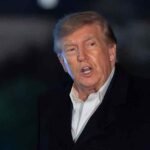
Defending the interim agreement, President Donald Trump stated that his administration would lift sanctions and release frozen assets “as soon as they behave.” He added, “We have taken their money, it’s their money. If we didn’t give it back, nobody would ever invest in the dollar again.”
The broader text of the agreement outlines a scheduled termination of all sanctions against Iran, including UN Security Council resolutions, as part of a final deal. In return, Iran must address its stockpile of over 9,000kg of enriched uranium, including 440kg that is close to weapons-grade. Under the minimum requirements of the deal, Tehran must dilute this material on-site under the direct supervision of the International Atomic Energy Agency (IAEA).
The deal has already sparked significant debate back home. Critics and some Republican lawmakers argue that the administration is offering too many concessions to Tehran. Opponents suggest the move is heavily motivated by a desire to drive down global oil prices ahead of the upcoming November midterm elections, following the severe energy crisis triggered by Iran’s closure of the Strait of Hormuz.