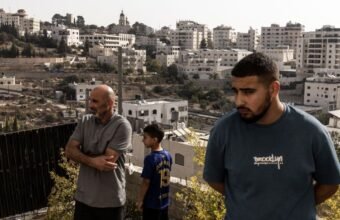










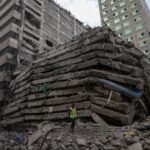







Hebron Governor Khaled Dudin said Monday that 488 families, comprising 3,171 people, had been displaced across the wider governorate. Mayor Yousef al-Jabari said 3,043 of those affected had been forced from their homes within Hebron city itself, Al Jazeera reported.
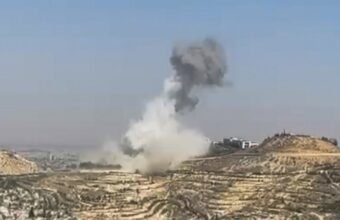
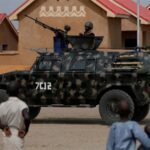
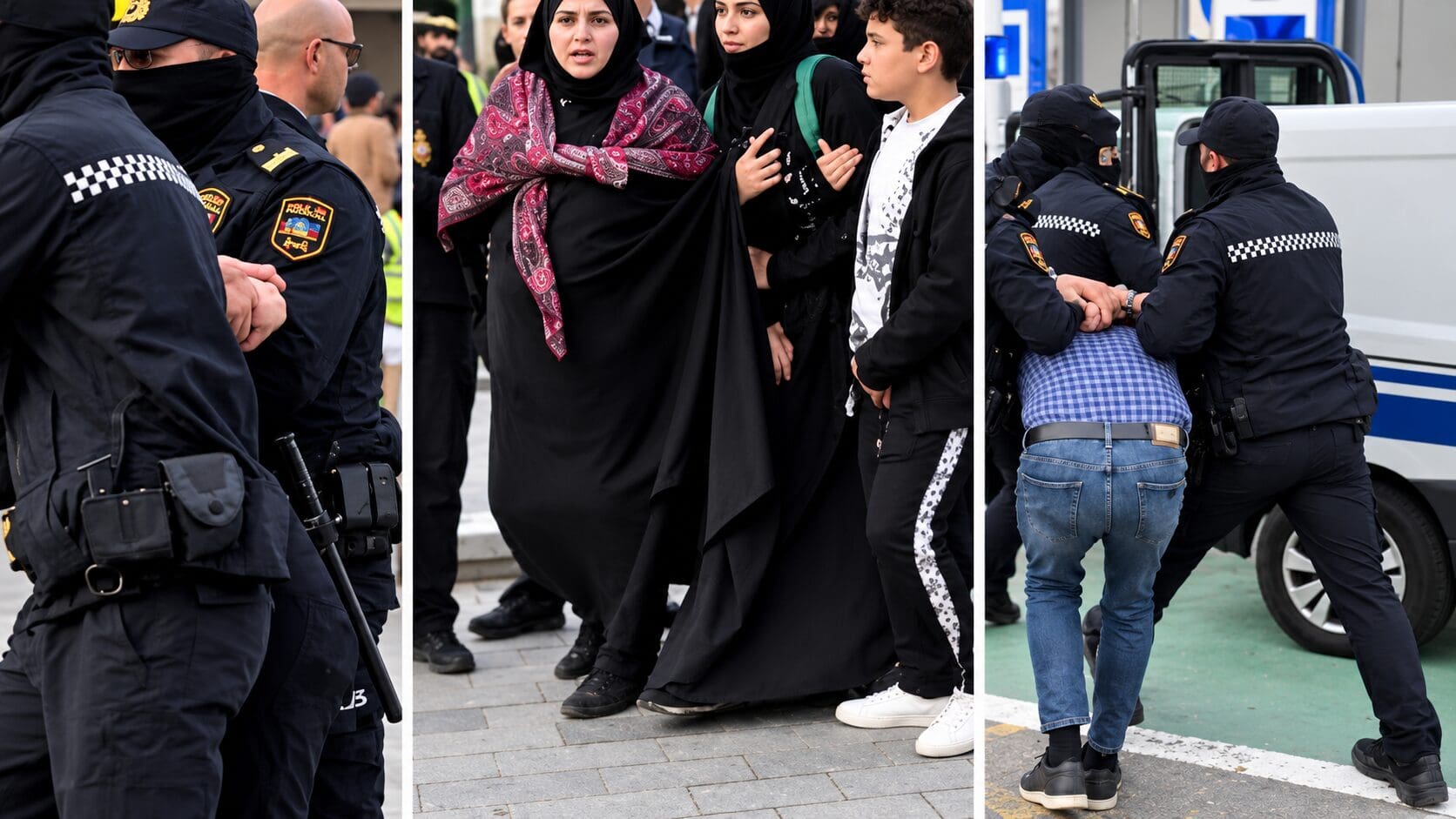
The operation, which began Friday after two Israeli soldiers were killed in a shooting near the city, has included a lockdown, raids on homes and the destruction of residential buildings, factories and roads. At least 71 people have been detained over four days, according to the Palestinian Prisoner’s Society.
***
Israeli Prime Minister Benjamin Netanyahu has pledged an operation on a scale “unseen” since the 1967 war. Israeli officials have also said they intend to apply the so-called “Jenin camp model” to Hebron, involving the evacuation of residents, searches of homes, weapons confiscations and road demolitions.
According to municipal authorities, many of those displaced in Hebron are women, children and elderly people. Al Jazeera reported that Israeli soldiers had converted dozens of evacuated homes into military barracks and field interrogation centres.
Noman Amr, a professor of contemporary history at Al-Quds Open University’s Dura branch, said the evacuations served several purposes, including clearing homes for demolition, imposing collective punishment and using residential buildings for military operations.
Amr argued that the measures were intended to create fear and instability among Palestinians and impose what he described as a “new reality” in the occupied territory.
The operation has drawn comparisons with Israeli military campaigns in the Jenin, Nur Shams and Tulkarem refugee camps in early 2025. Rights groups have cited those operations, during which at least 102 people were killed and more than 33,000 displaced, as examples of tactics that could lead to prolonged displacement.
The United Nations agency for Palestinian refugees, UNRWA, previously described the destruction in Jenin camp as leaving it nearly uninhabitable. A report by the UN Human Rights Office last month said Israeli military actions in the three camps appeared to amount to collective punishment and raised concerns about possible ethnic cleansing.
Analysts cited by Al Jazeera also pointed to damage to essential infrastructure in Hebron, including water wells and roads, warning that such destruction could make it more difficult for displaced residents to return.
The Colonization and Wall Resistance Commission said Sunday that the Israeli military had established 220 barriers across Hebron, restricting movement between Palestinian communities and their lands while maintaining connectivity for Israeli settlements.
Separately, the Israeli military said it would prevent Palestinian workers from entering most areas of the West Bank through Monday and impose a full closure of crossings into and out of the territory on Tuesday, the day of Israel’s parliamentary election.
Hebron Mayor al-Jabari accused Netanyahu and his right-wing government of using the operation to win support from settlers. Amr similarly described the impact on Palestinians as a form of electoral propaganda.
The escalation comes amid heightened tensions across the occupied West Bank, where Palestinian residents have faced increased restrictions and attacks by Israeli settlers and soldiers, including violence against olive harvesters during the harvest season.