






















Pakistan is racing to secure additional liquefied natural gas (LNG) supplies after escalating tensions in the Strait of Hormuz disrupted regional energy trade and forced the cancellation of a scheduled shipment from Qatar, News.Az reports.
***
The emergency purchase highlights how geopolitical conflicts in the Middle East can quickly affect global energy markets and countries heavily dependent on imported fuel. Here is what happened and why it matters.
Why is Pakistan urgently buying LNG?
Pakistan has launched an emergency effort to purchase a cargo of liquefied natural gas after a scheduled LNG shipment from Qatar was canceled amid growing security concerns in the Strait of Hormuz.
State-owned Pakistan LNG Ltd. issued a tender seeking one LNG cargo for delivery on July 15-16, with bids due shortly afterward. According to traders familiar with the matter, the Pakistani government approved the emergency procurement after learning that a Qatari cargo expected to arrive this month would no longer be delivered.
The cancellation has raised concerns about Pakistan’s ability to maintain adequate gas supplies, particularly during periods of high domestic demand. Rather than waiting for normal contract deliveries to resume, authorities decided to seek an immediate replacement cargo on the international market to reduce the risk of supply shortages.
The move reflects the vulnerability of countries that depend heavily on imported LNG and have limited flexibility when international supply chains are disrupted.
What caused the disruption to LNG supplies?
The disruption stems from escalating military tensions in the Strait of Hormuz, one of the world’s most strategically important maritime chokepoints for energy exports.
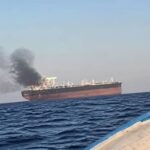
Shipping traffic through the strait slowed significantly after the United States carried out a second day of military strikes on Iran following Iranian attacks on commercial vessels operating in the waterway, including an LNG tanker.
As security risks increased, shipping companies and vessel operators became more cautious about transiting the area. Earlier in the week, a vessel carrying a Qatari LNG shipment destined for Pakistan reportedly abandoned its planned voyage through the strait because of the deteriorating security situation.
When ships are unable or unwilling to pass through the Strait of Hormuz, LNG exporters face delays or cancellations, affecting buyers that rely on regular deliveries.
Why is the Strait of Hormuz so important?
The Strait of Hormuz is one of the world’s most critical energy transportation routes. Located between Iran and Oman, it connects the Persian Gulf with the Gulf of Oman and the Arabian Sea.
A substantial share of the world’s oil exports and a significant portion of global LNG shipments pass through the narrow waterway every day. Major energy exporters—including Qatar, one of the world’s largest LNG producers—depend almost entirely on the strait to deliver cargoes to customers across Asia, Europe and other regions.
Because so much global energy trade flows through this single maritime corridor, any military confrontation, shipping disruption or threat to commercial vessels can quickly influence international energy markets, freight costs and supply security.
Even temporary interruptions can cause higher prices, shipping delays and increased uncertainty for energy-importing countries.
Why does Pakistan depend so heavily on LNG imports?
Pakistan relies on imported LNG to meet a significant portion of its domestic natural gas demand. The fuel is used to generate electricity, supply industries and provide gas to households and businesses.
Domestic gas production has gradually declined while demand has continued to increase, forcing Pakistan to import LNG to bridge the gap. Over the years, the government has signed long-term supply agreements, particularly with Qatar, to ensure stable deliveries at relatively predictable prices.
According to available data, nearly all of Pakistan’s LNG imports last year came under long-term contracts with Qatar. These agreements generally provide greater price stability than buying fuel on the spot market, making them especially valuable during periods of volatile global energy prices.
However, when contracted deliveries are interrupted by geopolitical events, Pakistan has limited alternatives and must quickly seek replacement cargoes.
Why is Pakistan turning to the spot market?
With one contracted shipment canceled, Pakistan has little choice but to purchase LNG on the international spot market.
Unlike long-term contracts, spot market purchases involve buying cargoes available for immediate delivery at prevailing market prices. These prices often fluctuate significantly depending on global demand, supply conditions and geopolitical developments.
In recent weeks, Islamabad has already purchased two LNG cargoes on the spot market to help prevent domestic gas shortages as regional energy disruptions intensified.
Although spot purchases provide short-term supply security, they usually come at a substantially higher cost than long-term contracts, increasing financial pressure on both the government and energy consumers.
Could this affect Pakistan’s domestic energy supply?
Yes. If replacement LNG cargoes cannot be secured in time, Pakistan could face reduced natural gas availability for power generation, industrial production and residential consumption.
Gas shortages can have wide-ranging consequences, including electricity supply disruptions, reduced industrial output and increased production costs for manufacturers. During periods of peak demand, authorities may also be forced to implement gas rationing or prioritize supplies for essential services.
By seeking an emergency cargo before shortages become critical, the government aims to minimize the risk of disruptions and maintain stable energy supplies throughout the country.
How could the crisis affect global LNG markets?
Disruptions in the Strait of Hormuz have the potential to influence global LNG markets well beyond Pakistan.
If shipping through the waterway remains constrained, LNG exporters may face delivery delays, while importers compete for alternative cargoes available elsewhere. Increased demand for spot-market LNG can drive prices higher, affecting buyers across Asia and Europe.
Shipping insurance premiums and freight costs may also increase as vessel operators factor in the heightened security risks associated with operating near conflict zones.
Countries that rely heavily on Middle Eastern LNG could experience greater supply uncertainty until maritime security improves.
Which countries could also be affected?
Several major LNG-importing countries could experience indirect effects if tensions continue.
Asian economies such as Japan, South Korea, China and India import substantial volumes of LNG from Qatar and other Gulf producers. European countries have also increased LNG purchases from the Middle East as they diversify energy supplies following reductions in Russian gas imports.
Although many importers maintain diversified supply portfolios and strategic inventories, prolonged disruptions in the Strait of Hormuz could tighten global LNG availability and contribute to higher international prices.
The extent of the impact will largely depend on the duration of the security crisis and whether shipping through the strait can continue safely.
What happens next?
Pakistan’s immediate priority is to secure the emergency LNG cargo scheduled for delivery in mid-July. Government officials and Pakistan LNG Ltd. will evaluate bids submitted under the emergency tender and seek the most reliable supplier capable of delivering fuel within the required timeframe.
More broadly, developments will depend on the evolving security situation in the Strait of Hormuz. If maritime traffic stabilizes and contracted LNG shipments resume, Pakistan may be able to return to its regular procurement schedule. However, if tensions continue or intensify, the country could face additional emergency purchases, higher import costs and ongoing concerns about energy security.
The situation also serves as a reminder of how geopolitical conflicts in key maritime chokepoints can rapidly disrupt global energy trade, exposing the vulnerability of countries that rely heavily on imported fuel.